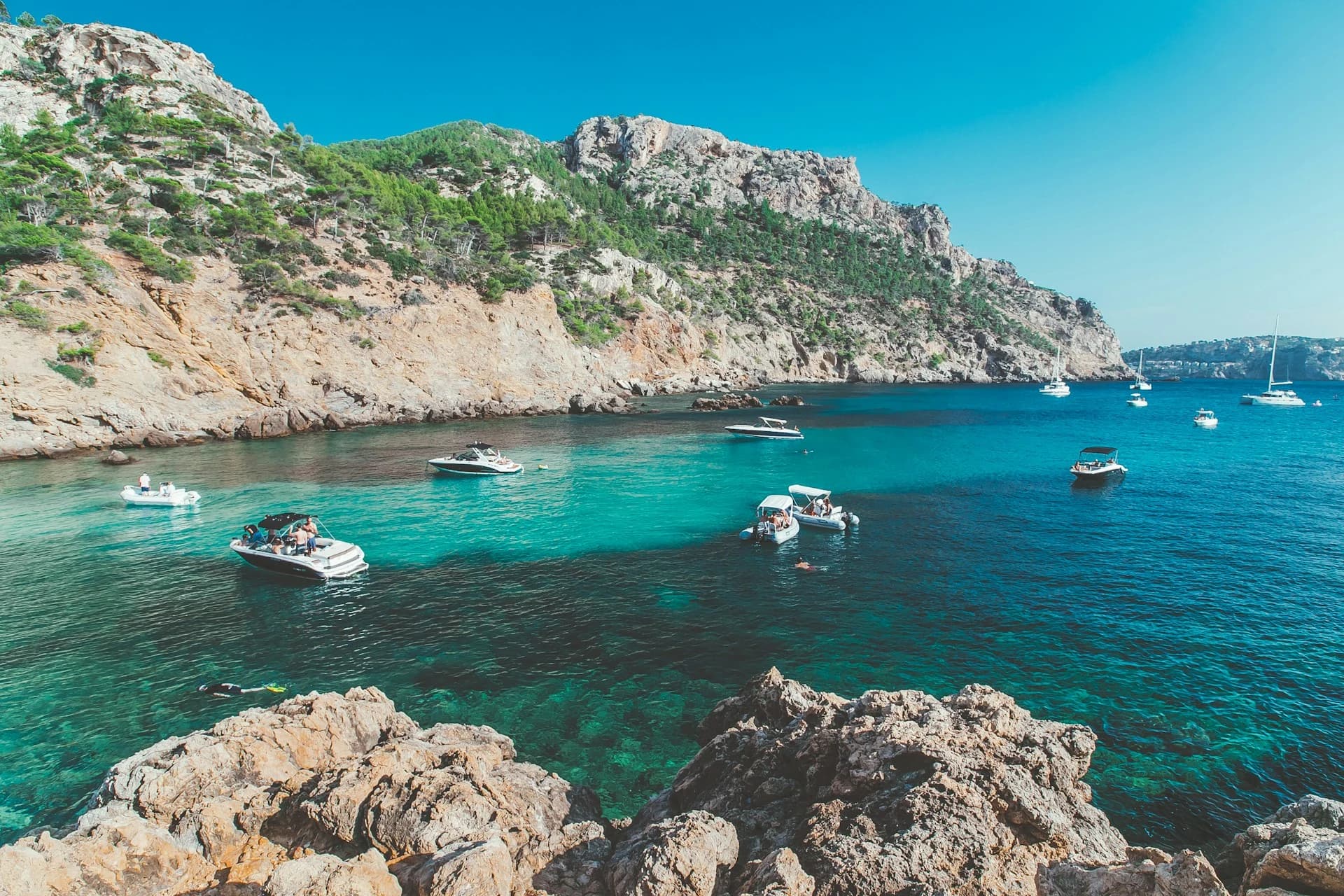
The complete guide to the best things to do in Mallorca: Palma Cathedral, the vintage Sóller train and the Tramuntana, the boat to Sa Calobra, the Caves of Drach, catamaran and kayak days, food and wine, with our pick in every category and links to the full guides.
What You Should Know
- Mallorca is far bigger and more varied than its party-island reputation: a handsome capital (Palma) with a vast Gothic cathedral, the UNESCO-listed Serra de Tramuntana mountains, hundreds of coves and beaches, dramatic caves, and pretty stone villages, so the best trips mix the city, the mountains, and the coast.
- The unmissable experiences are Palma Cathedral, the vintage Sóller train through the Tramuntana, the boat to Sa Calobra, and the Caves of Drach, plus a day on the water by catamaran or kayak. A rental car opens up the rest of the island.
- It is a year-round destination, but the sweet spot is May, June, and September: warm sea, long days, and fewer crowds than the July to August peak. Many boat trips and open-top tours run only from about April to October.
- Prices are moderate by Mediterranean-island standards: Palma Cathedral from about €11, a Palma hop-on hop-off bus from €27, day boat trips and catamarans from about €33 to €70, the famous island tour from €65, and cooking classes from €75.
Best Things to Do in Mallorca (2026)
Looking for the best things to do in Mallorca? Whether you are planning a first visit or returning to explore more of the island, Mallorca offers everything from UNESCO-listed mountains and a historic capital to boat tours, hidden beaches, and world-famous caves. The largest of the Balearic Islands is one of the most rewarding places in Spain for a trip of a few days or a week, pairing the city of Palma, a coastline of turquoise coves, and a string of postcard villages, all within an easy drive. This guide rounds up Mallorca's top attractions and activities, with our pick in every category and a link to the full guide for each, so you can plan with prices, tips, and the right tour already sorted.
The top 10 things to do in Mallorca at a glance:
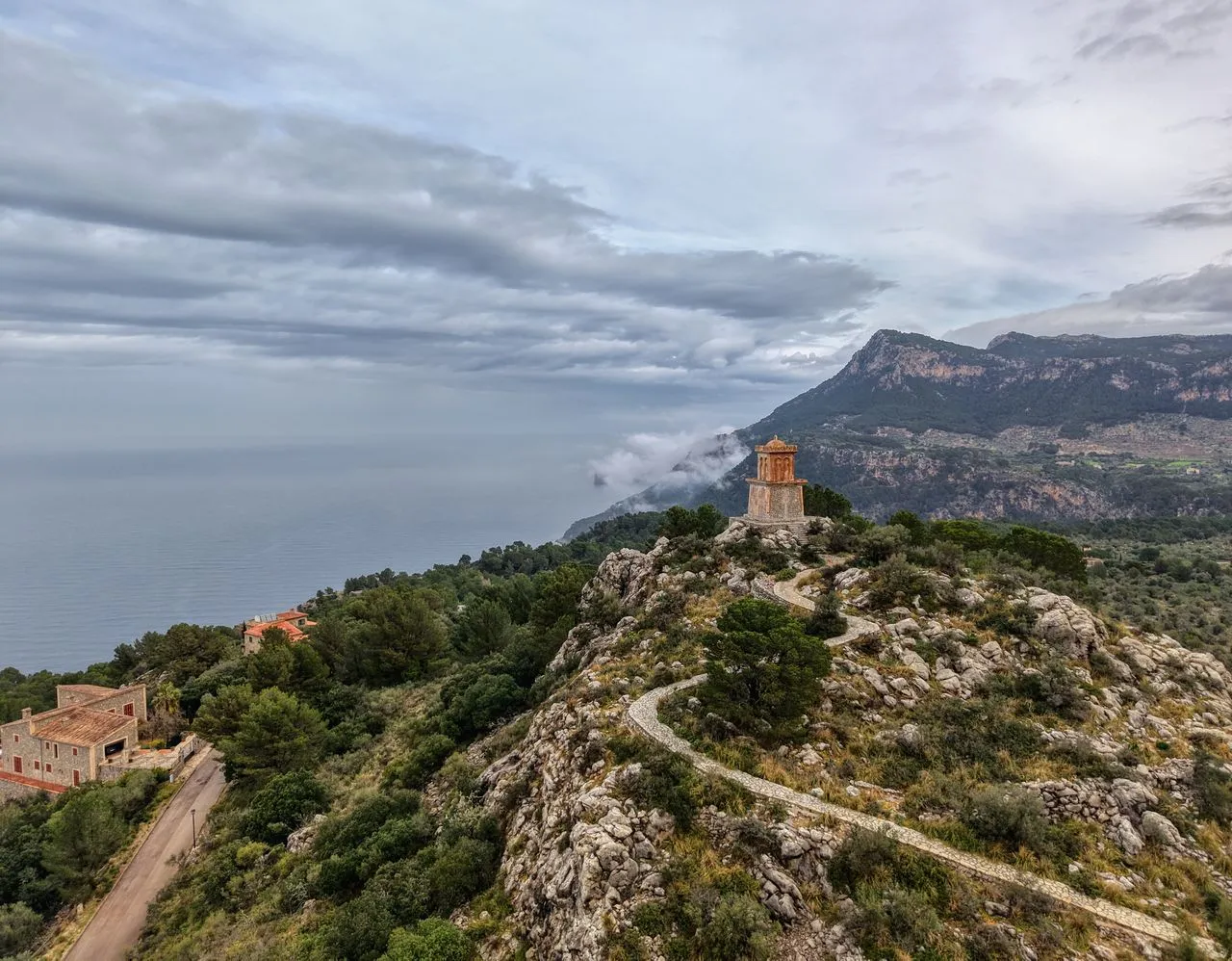
Whether it is your first time or a return trip, the sections below cover the top sights, the best ways to see the island, days on the water, food and wine, and the day trips and extras that round out a stay. Each links to our in-depth guide with operator comparisons, prices, and booking.
Mallorca's highlights are spread around the island rather than in one walkable cluster, which is why a rental car (or the tours in this guide) helps. The numbered pins map the headline sights, from Palma Cathedral and Bellver Castle in the south to Sóller, Sa Calobra, and Cap de Formentor along the Tramuntana, and the Caves of Drach on the east coast, so you can see how the island fits together.
Mallorca's Top Experiences at a Glance
How the headline experiences compare on time, cost, and whether we think they earn a place in your plans. Costs are the typical from-price; our rating is editorial.
| Experience | Time Needed | Cost | Worth It? |
|---|---|---|---|
| Palma Cathedral (La Seu) | 1 to 2 hrs | from €11 | ⭐⭐⭐⭐⭐ |
| Sóller train & island tour | Full day | from €65 | ⭐⭐⭐⭐⭐ |
| Caves of Drach | Half day | from €19 | ⭐⭐⭐⭐ |
| Catamaran cruise | 3 to 5 hrs | from €59 | ⭐⭐⭐⭐ |
| Sea-cave snorkeling | 2 to 3 hrs | from €33 | ⭐⭐⭐⭐ |
| Palma hop-on hop-off bus | Flexible | from €27 | ⭐⭐⭐ |
| Cooking class | 3 to 3.5 hrs | from €75 | ⭐⭐⭐⭐ |
The Cathedral, the Sóller/Sa Calobra island tour, and the Caves of Drach are the three we would not skip on a first visit. A day on the water is the other thing that defines a Mallorca trip, whether that is a catamaran, a snorkel boat, or a kayak.
Quick Picks by Category
Our pick in each category, each linking to the full guide with comparisons and prices.
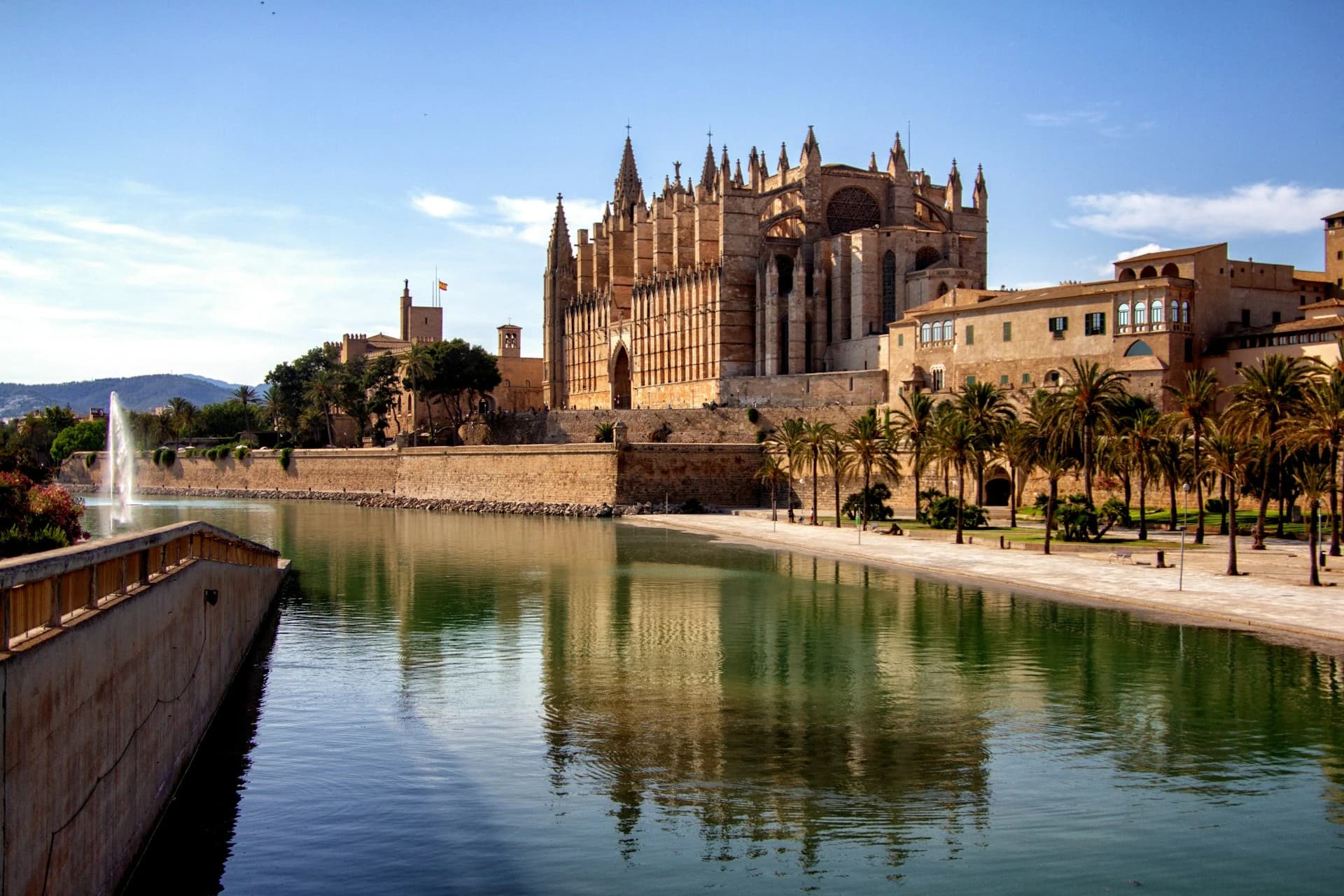
- Top sight: Palma Cathedral (La Seu) tickets: the vast seafront Gothic cathedral, from about €11.
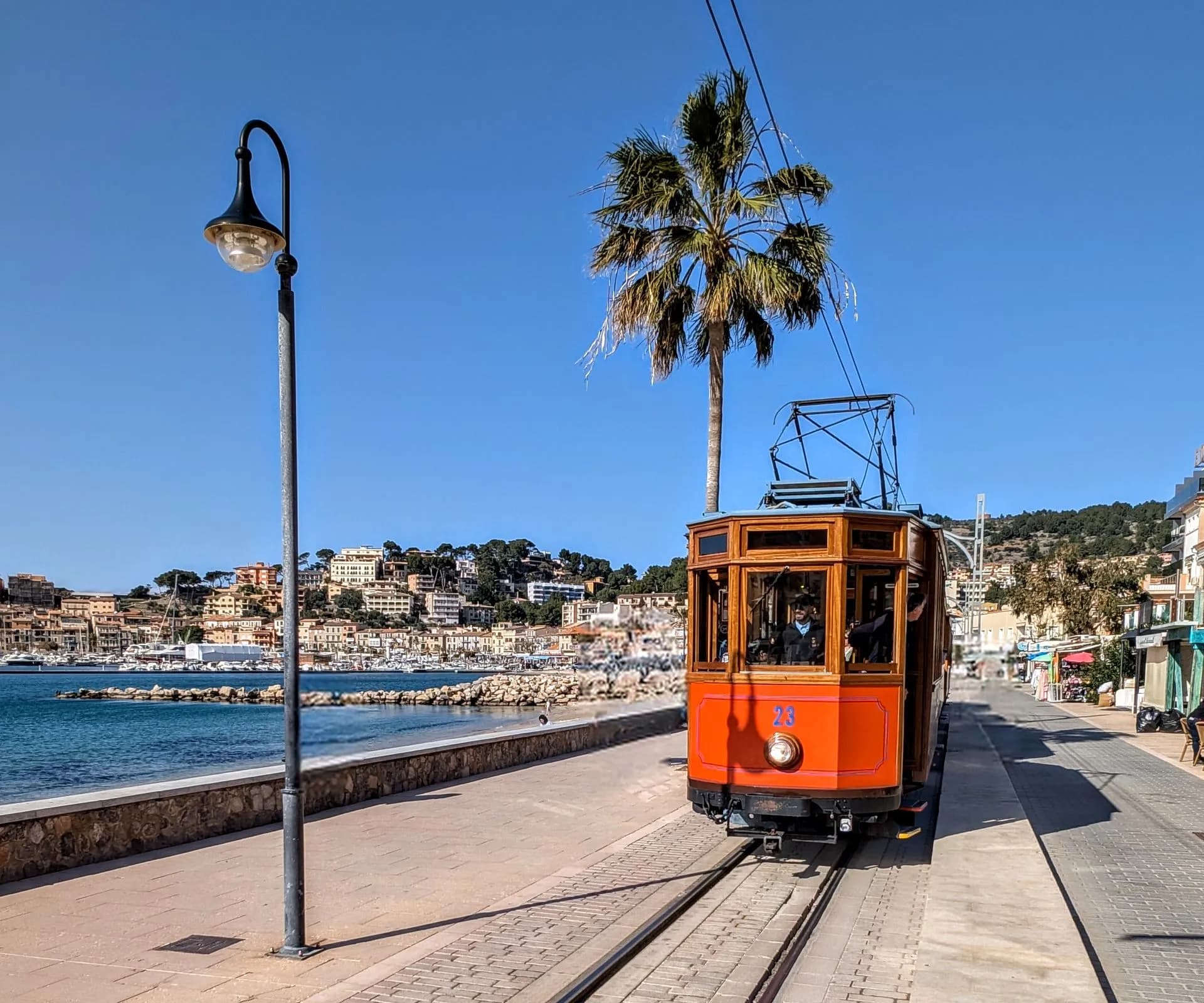
- Best day out: the Mallorca island tour: the vintage Sóller train, the tram, and the boat to Sa Calobra through the Tramuntana, from about €65.
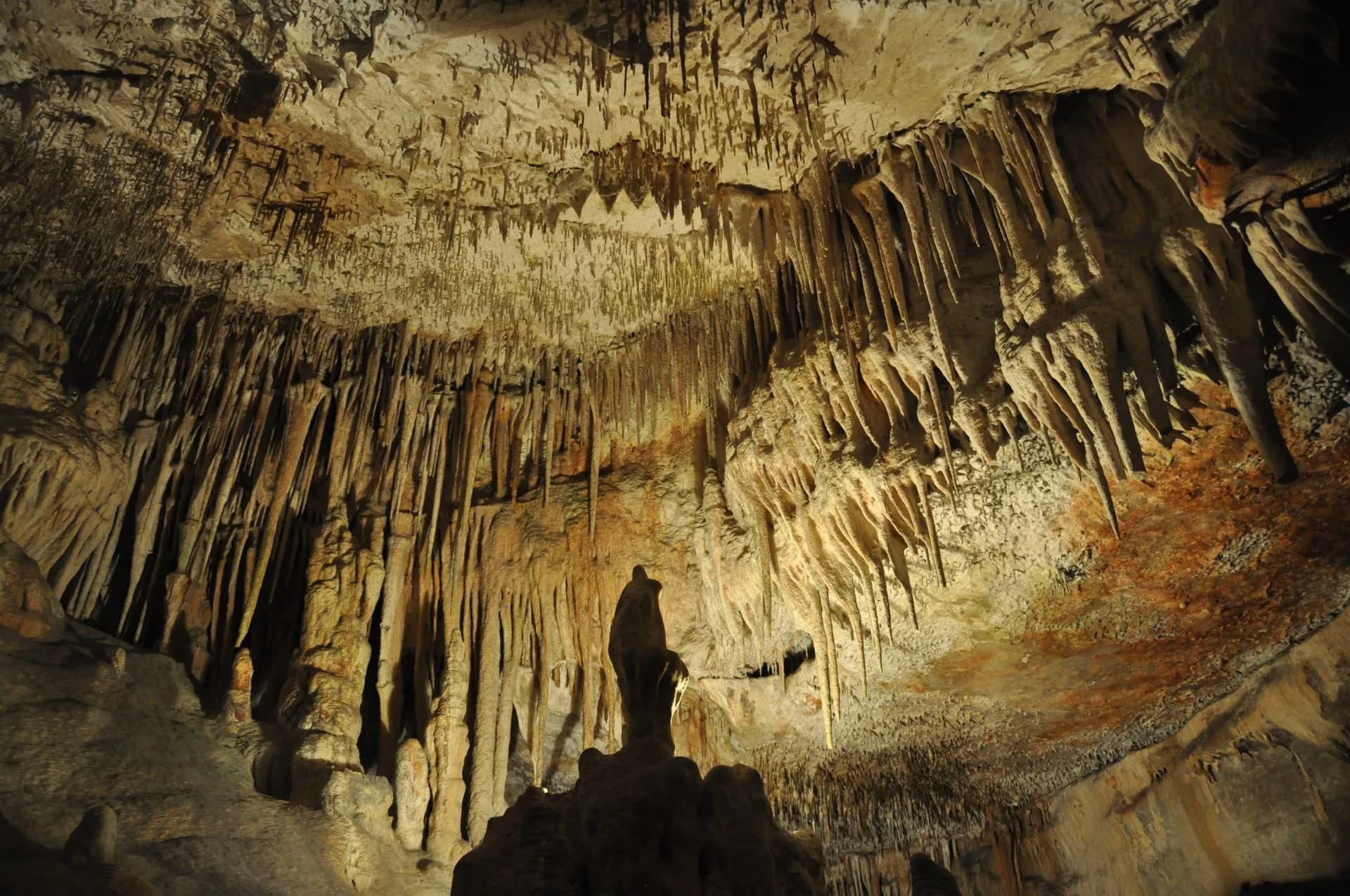
- Best cave: the Caves of Drach and other cave tours: the famous underground lake with a live concert, from about €19.
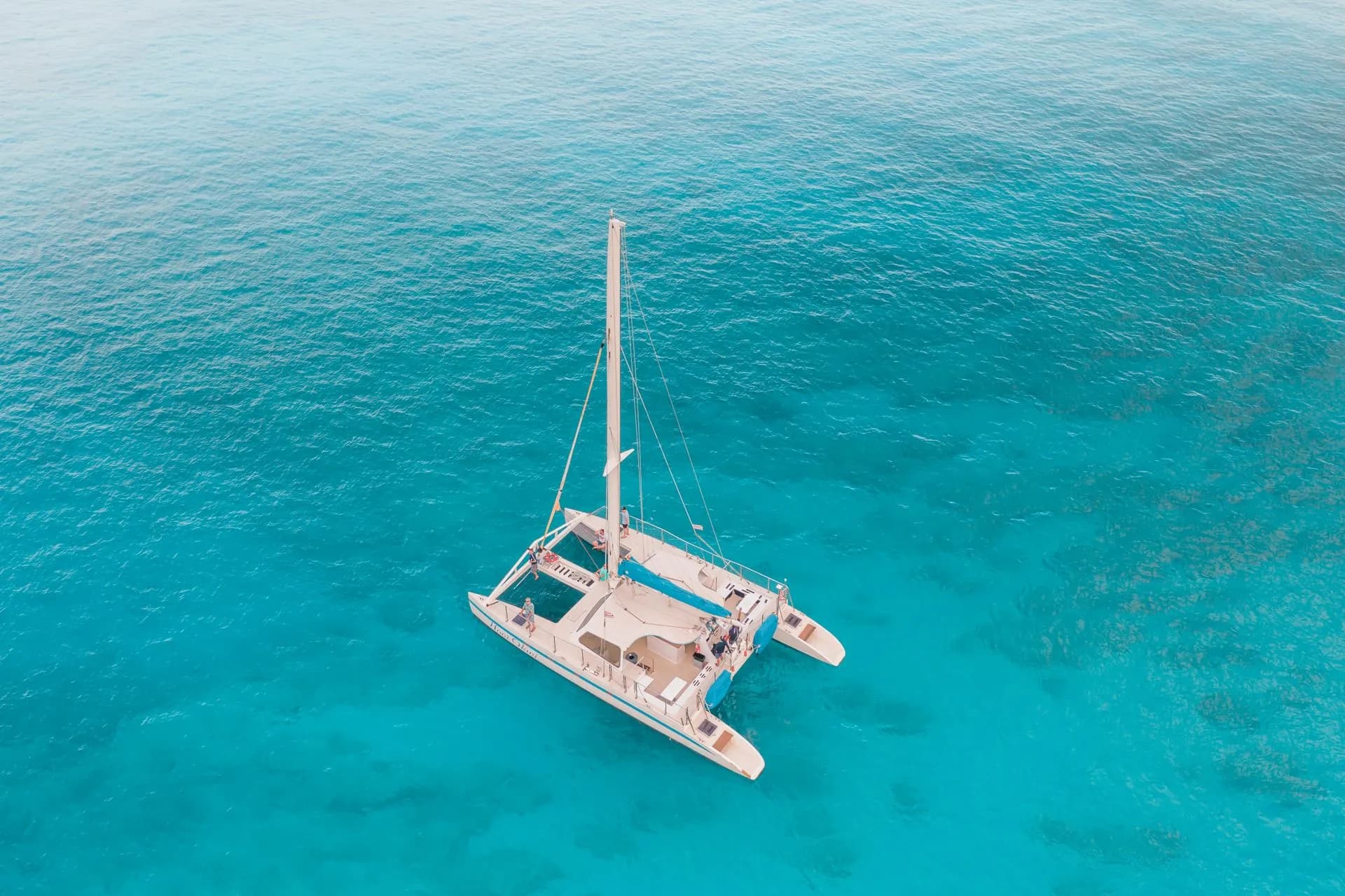
- Best on the water: a catamaran cruise (from about €59) or a sea-cave snorkeling boat (from about €33).
- Best active: a sea-cave kayak tour (from about €70) or an ATV and buggy tour (from about €65).
- Best food and drink: a cooking class (from about €75) or a winery tour and tasting (from about €49).
- Best for the city: the Palma hop-on hop-off bus (from about €27) or a Palma walking tour (from about €28).
- Best splurge: a private boat charter (from about €179) or a scuba diving session (from about €130).
Mallorca by Interest
Short on time? Here is where we would point you based on what you are into.
- Best for history and culture: Palma Cathedral, a Palma old-town walking tour, and the Caves of Drach.
- Best for beaches and the sea: a catamaran cruise, a sea-cave snorkel boat, and a private boat charter to reach the quiet coves.
- Best for adventure: a sea-cave kayak, an ATV or buggy tour, and scuba diving.
- Best for couples: a sunset catamaran, a private boat day, and a cooking class.
- Best for families: the island tour by train, tram, and boat, dolphin watching, and the caves.
- Best for first-timers: a Palma walking tour to get oriented, the island tour, and one day on the water.
The Top Sights and Towns
Mallorca's headline sights are spread across the island, from the capital to the mountains and the east-coast caves. These are the ones we would build a trip around.
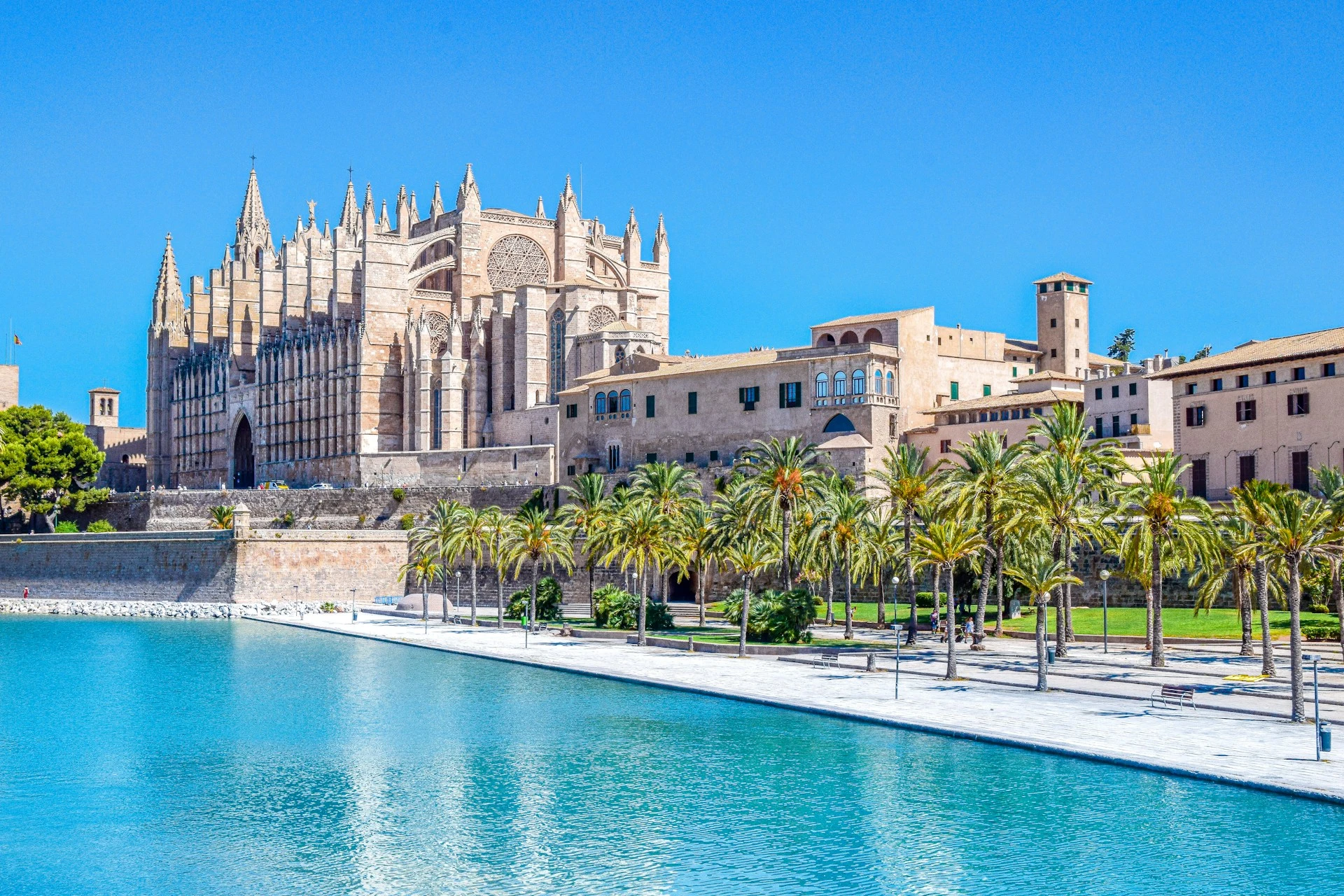
- Palma Cathedral (La Seu): The vast seafront Gothic cathedral is the island's signature landmark, with a Gaudí-reworked interior and a famous rose window. It anchors a wander through Palma's old town and the Almudaina palace next door.
- The Serra de Tramuntana and Sóller: The UNESCO-listed mountain range along the northwest coast is the scenic heart of the island, reached most memorably on the vintage Sóller train and the island tour through the peaks to Port de Sóller.
- Sa Calobra and the Torrent de Pareis: A tiny cove at the foot of towering cliffs and a dramatic gorge, reached by a hair-raising switchback road or, better, by the coastal boat that is the highlight of the island tour.
- The Caves of Drach: The island's most famous caves, near Porto Cristo on the east coast, with one of Europe's largest underground lakes and a live classical concert performed from boats on the water.
- The mountain villages: Valldemossa, Deià, and Fornalutx are the prettiest of the Tramuntana's honey-stone villages, all worth a slow wander and best reached by car.
- Cap de Formentor: The island's dramatic northern tip, a lighthouse at the end of a cliff-edge road, with some of Mallorca's best viewpoints and a beach on the way.
Mallorca's Mountain Villages Compared
The Serra de Tramuntana's stone villages are among the best places to visit in Mallorca, but they are slow to drive between, so it helps to pick rather than chase all of them. Here is how the main ones compare.
| Village | Time Needed | Worth It? | Parking |
|---|---|---|---|
| Valldemossa | 2 to 3 hrs | ⭐⭐⭐⭐⭐ | Paid lots on the edge |
| Sóller | Half day | ⭐⭐⭐⭐⭐ | Paid; arrive by train instead |
| Deià | 1 to 2 hrs | ⭐⭐⭐⭐ | Limited roadside, tight |
| Fornalutx | 1 to 2 hrs | ⭐⭐⭐⭐ | Small lots, walk in |
| Pollença | 2 to 3 hrs | ⭐⭐⭐⭐ | Easier; lots near center |
If you only have time for one or two, we'd pair Sóller (reached on the vintage train) with Valldemossa, the most striking of the group. Deià and Fornalutx are best added on a self-drive day when you are not rushing.
Best Ways to See the Island
Mallorca is too big to see on foot, so how you get around shapes the trip. A rental car is the most flexible, but these Mallorca sightseeing tours and excursions cover the headline points of interest without driving. For a first visit we'd pair the island tour for the Tramuntana with a walking tour or bus for Palma.
- The Mallorca island tour: The classic full-day loop by vintage train, tram, and boat through the Tramuntana to Sóller and Sa Calobra, guided or self-guided.
- The Palma hop-on hop-off bus: The open-top City Sightseeing loop of the capital, the easy way to see Palma's sights without a car.
- Palma walking tours: The best way to learn the old town, the cathedral quarter, and the lanes of the historic center on foot.
- ATV and buggy tours: A fun, active way to reach inland villages, viewpoints, and coves off the main roads.
Best Things to Do on the Water
A day on the sea is what defines a Mallorca trip, and the clear water and cave-lined coast make it one of the best places in the Mediterranean to get afloat. These are the ways in, each with its own guide.
- Catamaran cruises: Half-day and sunset sails with swimming and snorkeling stops, food and drinks, and shared or private options.
- Snorkeling boat tours: Speedboat and motorboat trips to the sea caves and coves, from cheap Bay of Palma hops to north-coast cave runs.
- Sea-cave kayak tours: Guided paddles into the blue sea caves around Alcúdia and the east coast, often with cliff jumping and a snorkel.
- Dolphin watching: Early-morning boat trips off the coast to see wild dolphins, a hit with families.
- Scuba diving: Try-dives for beginners and guided dives for the certified in the clear waters off Alcúdia and the south.
- Boat parties: DJ party boats and sunset cruises out of Palma for a livelier afternoon on the water.
- Private boat charters: Your own skippered boat or a self-drive rental to reach the quiet coves on your own schedule.
Best Beaches in Mallorca
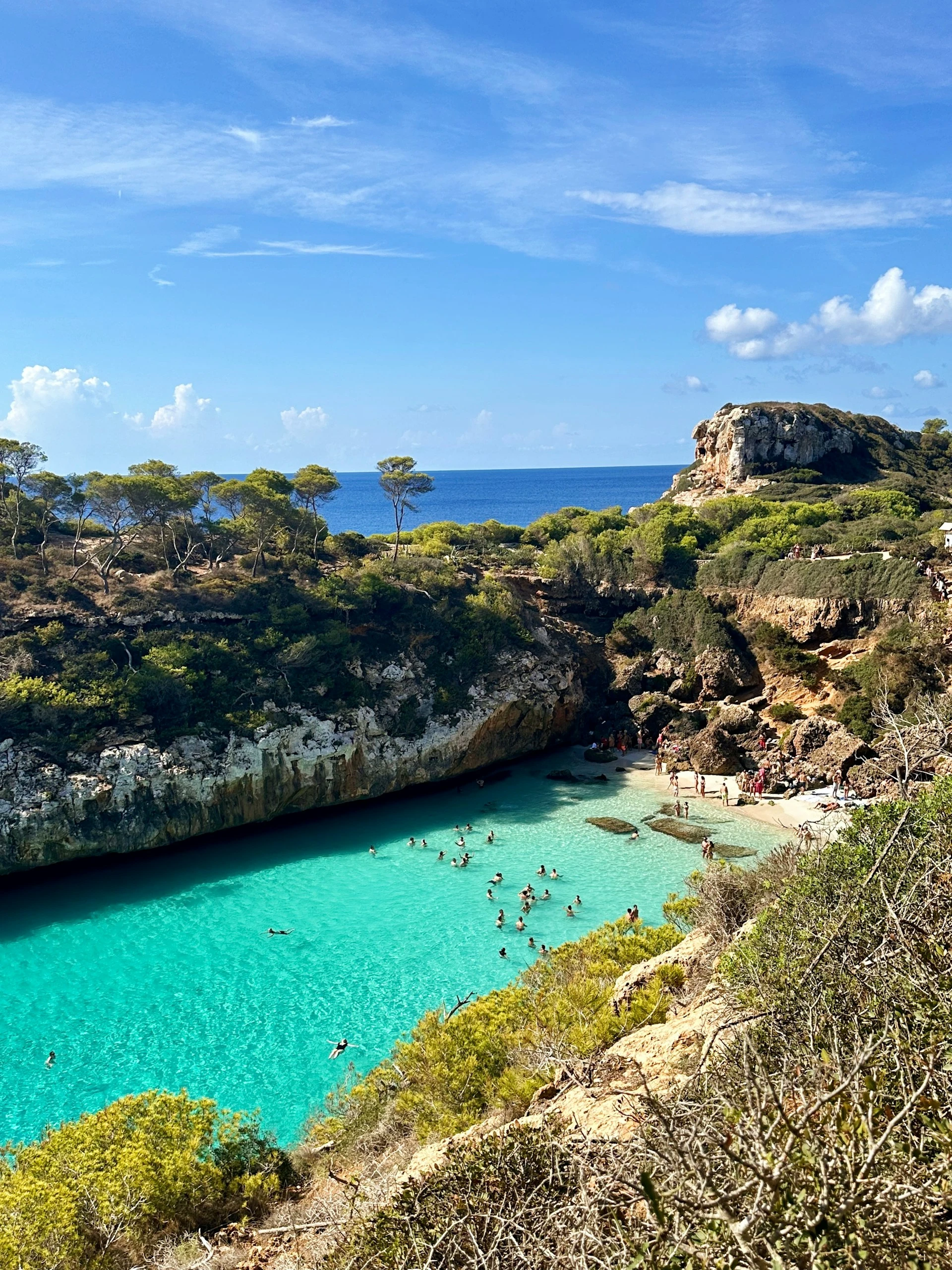
Mallorca's beaches range from long resort sands to tiny undeveloped coves, and they are one of the island's biggest draws. Here is how a handful of the best compare for planning a beach day.
| Beach | Best For | Parking | Family Friendly |
|---|---|---|---|
| Playa de Muro (Alcúdia bay) | Long, shallow, easy sand | Easy, paid & free | Yes, ideal |
| Es Trenc | Natural, undeveloped sand | Paid lot + walk | Yes |
| Cala Mondragó | Protected park coves | Paid lot + short walk | Yes |
| Cala Varques | Wild, turquoise cove | None; 20-min walk in | Older kids |
| Cala Deià | Scenic Tramuntana cove | Very limited, tricky | Older kids |
| Playa de Palma | Lively city-side beach | Street & lots | Yes |
For an easy family beach day, the long shallow sands of Playa de Muro and the Alcúdia bay are the simplest. For the postcard coves, Cala Mondragó is the most accessible, while Cala Varques and Cala Deià reward a short walk with fewer crowds. To reach the quietest coves, a private boat or a catamaran day is the relaxed way in.
Food, Cooking, and Wine
Mallorca's food is its own thing, from sobrasada and ensaïmada to fresh seafood and a small but excellent wine scene. These are the best ways to get into it.
- Cooking classes: Hands-on paella and Spanish or Mallorcan classes, from a central Palma kitchen to a finca in the Tramuntana, ending in a meal you cooked.
- Wine tours and tastings: Visits to the island's Binissalem and Pla i Llevant wineries, with tastings of local Manto Negro and Callet wines, some with lunch or horseback options.
Mallorca Itineraries: How to Spend Your Days
One day (first-timer's highlights)
With a single day, split it between Palma and one classic excursion. Spend the morning at Palma Cathedral and the old town, then either ride the Sóller train and Tramuntana loop or take a catamaran out for the afternoon. If you are short on legwork, the hop-on hop-off bus covers the city quickly.
Three to four days
With more time, give one day to Palma (cathedral, old town, a walking tour), one to the Tramuntana (the island tour or a self-drive to Valldemossa, Deià, and Sóller), one to the water (a snorkel boat, kayak, or catamaran), and one to the east coast for the Caves of Drach and the beaches.
A week
A week lets you add Cap de Formentor and the north, a cooking class or winery day, an ATV tour or dive, and plenty of unhurried beach time in the quiet calas. For a full day-by-day plan, follow our Mallorca itinerary.
Best Time to Visit Mallorca
Mallorca's season shapes what you can do, especially on the water. From what we've seen, the shoulder months are the sweet spot: warm enough to swim, but quieter and cheaper than the midsummer peak.
Mild and green, with almond and wildflower season early on and the Tramuntana at its best for hiking and driving. The sea is still cool early, and boat tours ramp up through the period.
Hot, busy, and the warmest sea, with every boat trip and beach club running. July and August are the priciest and most crowded, so book ahead and start active days early.
Our pick: the sea is still warm from summer, the crowds thin, and prices ease, ideal for the water and the mountains alike. Most boat tours still run through October.
Mild and quiet, the season for Tramuntana hiking, Palma city breaks, and the show caves, but many boat trips and open-top tours pause until spring.
Things to Do in Mallorca by Month
What is worth doing shifts through the year, from the almond blossom and hiking weather of late winter to the warm-sea boat season of summer and the quieter, still-swimmable autumn. Here is the quick month-by-month picture for planning when to go.
- January and February: Cool, quiet, and cheap, with almond blossom across the island in late January and February and prime conditions for Tramuntana hiking and Palma city sightseeing. Most boat tours are paused.
- March and April: Spring greenery and mild days, good for the mountain villages and the cathedral, with the first boat trips and open-top buses returning toward April.
- May and June: One of the sweet spots: warm days, the sea warming up, long daylight, and the full menu of catamaran, snorkel, and kayak trips running before the peak crowds.
- July and August: Peak summer, hottest and busiest, with the warmest sea and every beach club and boat trip in full swing. Book ahead and start active days early.
- September and October: Our favourite window: the sea is still warm, the crowds thin, prices ease, and most boat tours run through October.
- November and December: Mild and calm, the season for hiking, the show caves, Palma breaks, and Christmas lights in the capital, though many water tours wind down.
For the full picture, our seasonal cards above summarise spring, summer, autumn, and winter at a glance. Detailed month-by-month Mallorca guides are on the way.
Free Things to Do in Mallorca
Some of Mallorca's best moments cost nothing. These are the free things we send people to first.
- The beaches and coves: From the long sands of Playa de Palma and Alcúdia to hidden calas like Cala Varques, the island's beaches are free and some of the finest in the Med.
- Palma old town: Wandering the lanes around the cathedral, the Passeig del Born, and the Parc de la Mar lake costs nothing and is the heart of the city.
- The Tramuntana viewpoints: The cliff-edge drive to Cap de Formentor and the mountain miradors above Sóller and Valldemossa are free and unforgettable.
- The village squares: Valldemossa, Deià, and Fornalutx are free to wander, and the slow stone-village atmosphere is the point.
- Local markets: The Mercat de l'Olivar in Palma and the weekly village markets (Sóller on Saturdays, Alcúdia on Sundays) are free to browse.
Things to Do in Mallorca with Kids
Mallorca is an easy island with children: short distances, calm beaches, and plenty of boats and trains to ride. These tend to land best with families.
- The island tour by train, tram, and boat: The vintage Sóller train and the Sa Calobra boat are a hit with kids who like riding things.
- Dolphin watching: An early-morning dolphin trip is a calm, exciting boat ride with a good chance of a sighting.
- The Caves of Drach: The underground lake and concert are genuinely wowing for children, and it is all on the level.
- Easy beaches: The shallow, gently shelving sands at Alcúdia and Playa de Muro are ideal for younger kids.
- A gentle snorkel: A family snorkeling boat in calm water is an easy first taste of the sea life.
For a full day out, the Palma Aquarium and the island's water parks (Aqualand, Western Water Park) are popular hot-afternoon options.
Getting To and Around Mallorca
Mallorca's airport (Palma, PMI) is one of the busiest in Spain and a short drive from the capital. The island is bigger than it looks, so how you get around matters.
- A rental car is the most flexible way to see the island, essential for the Tramuntana villages, Cap de Formentor, and the quiet coves the tours skip.
- Around Palma, walk the old town and use the hop-on hop-off bus or a walking tour; you do not need a car for the city itself.
- Without a car, the island tour and the various boat trips reach the headline sights with hotel pickup or central meeting points.
From Our Experience
After multiple visits, the thing we see first-timers most underestimate is driving time through the Tramuntana: the mountain roads are slow and winding, so trying to tick off every village in a day leaves you more in the car than out of it. We would pair the Sóller train and Sa Calobra rather than chase all of Valldemossa, Deià, and Fornalutx in one go, and split the trip three ways: a couple of days for Palma and the south, a day or two in the mountains, and as much time on the water as you can manage.
Tips for Planning Your Trip
- Rent a car for at least part of the trip: The island's best bits, the mountain villages, Cap de Formentor, and the hidden coves, are hard to reach otherwise. For Palma and the headline excursions, the island tour and city bus cover you without one.
- Book water tours and the island tour ahead in summer: Catamarans, snorkel boats, and the Sóller train fill up in July and August, so reserve a few days out.
- Mix the city, the mountains, and the coast: The trips that people enjoy most balance Palma's culture, the Tramuntana's scenery, and a day or two on the water, rather than staying put on one beach.
- Aim for the shoulder season if you can: May, June, and September give you warm water and open tours without the peak-summer crowds and prices.
- Traveling in a specific month? See our complete month-by-month guides, January, February, March, April, May, June, July, August, September, October, November, and December, from the quiet winter and the almond blossom through the green spring and the peak of summer to the value-packed autumn and the festive return to winter.
- Start active days early: Summer afternoons are hot, so do ATV tours, hikes, and the open-top bus earlier, and save the evening for dinner and the coast.
How We Put This Guide Together
The Spain Travel Insider team built this guide from our in-depth, individually researched guides to each experience in Mallorca, every one based on real operator data, current pricing, and verified traveler reviews. For each category we lead with the option that offers the best mix of quality, value, and traveler feedback, then link to the full guide so you can compare every operator, ticket, and tour yourself. We focus on what genuinely makes a trip to Mallorca better, from the unmissable sights to the boat days, food, and mountain villages that round out a stay.
Frequently Asked Questions
What are the top things to do in Mallorca?+
The essentials are Palma Cathedral and old town, the vintage Sóller train and the boat to Sa Calobra through the Tramuntana, the Caves of Drach, and a day on the water by catamaran, snorkel boat, or kayak. The mountain villages and Cap de Formentor round out a longer stay.
How many days do you need in Mallorca?+
Four to seven days is ideal. That lets you give a couple of days to Palma and the south, a day or two to the Tramuntana mountains and villages, and time on the water and the beaches. You can see the headline sights in a busy three to four-day visit.
What is Mallorca best known for?+
Mallorca is famous for its beaches and turquoise coves, the UNESCO-listed Serra de Tramuntana mountains, Palma's seafront Gothic cathedral, the vintage Sóller train, the Caves of Drach, and a coastline made for boat trips, alongside its lively summer resorts.
What is the best time to visit Mallorca?+
May, June, and September are the sweet spot: warm weather and sea with fewer crowds than the July to August peak. Summer is hottest and busiest, spring is green and good for hiking, and winter is mild and quiet but many boat tours pause until spring.
Do you need a car in Mallorca?+
For the whole island, a rental car is the most flexible option and the easiest way to reach the Tramuntana villages, Cap de Formentor, and the quiet coves. For Palma and the headline excursions, the island tour, boat trips, and city bus cover you without one.
What are the best things to do in Mallorca on the water?+
A catamaran cruise, a sea-cave snorkeling boat, a sea-cave kayak tour, dolphin watching, scuba diving, and private boat charters are the main options. The clear water and cave-lined coast make a day at sea one of the defining things to do on the island.
What are the best things to do in Mallorca with kids?+
The island tour by vintage train, tram, and boat, a dolphin-watching trip, the Caves of Drach, calm beaches at Alcúdia and Playa de Muro, and a gentle snorkeling boat all work well with children. The Palma Aquarium and the water parks fill a full day.
Is Mallorca worth visiting?+
Yes. Mallorca combines a handsome capital, UNESCO-listed mountains, world-class beaches and coves, dramatic caves, and an easy boat-trip coastline, with good food and wine and short distances, which makes it one of the most varied and rewarding islands in the Mediterranean.
What are some free things to do in Mallorca?+
The beaches and coves, wandering Palma's old town and the Parc de la Mar, the cliff-edge drive to Cap de Formentor, the mountain viewpoints above Sóller and Valldemossa, and the village squares and weekly markets are all free.
What is a good first-time itinerary for Mallorca?+
Give one day to Palma (cathedral, old town, a walking tour), one to the Tramuntana via the Sóller train and Sa Calobra island tour, one to the water by catamaran, snorkel boat, or kayak, and one to the east coast for the Caves of Drach and the beaches.
Affiliate note: Some links on this page are affiliate links. If you book through them, we may earn a small commission at no additional cost to you.