Deià vs Valldemossa: how Mallorca's two prettiest Tramuntana villages compare, the artists' cliff village versus the monastery town of Chopin, which to visit, and how to see both in a day.
What You Should Know
- Deià is a tiny, chic cliffside village of honey-stone houses on the Tramuntana coast, long an artists' and writers' haunt (the poet Robert Graves lived here), with the small pebbled cove of Cala Deià below. It is a short, scenic, upmarket stop.
- Valldemossa is a slightly larger, picture-perfect stone village a little higher up, best known for the Royal Carthusian Monastery where Chopin and the writer George Sand spent the winter of 1838 to 1839. It has a bit more to see and a market-town feel.
- They are only about 10 km apart on the MA-10 coast road, roughly a 15 minute drive, so most visitors see both on the same Tramuntana day rather than choosing between them.
- Neither has a train: both are reached by car or the local bus, and both fill with tour buses at midday, so early or late visits are far more pleasant.
Deià vs Valldemossa: The Short Answer
Deià vs Valldemossa is a choice between two of Mallorca's prettiest Tramuntana villages, and they are close cousins rather than opposites. Deià is tiny and bohemian, a tumble of honey-stone houses on a cliff above the sea, famous as an artists' village and home to the cove of Cala Deià. Valldemossa is a little bigger and higher, a cluster of cobbled lanes around a famous monastery, with a strong cultural pull thanks to its Chopin connection.
Our short answer: choose Valldemossa if you want the monastery, the Chopin history, and a village with a bit more to see and do; choose Deià if you want the tiniest, chicest, most scenic stop and a swim or lunch at Cala Deià. Because they are only about 10 km apart on the coast road, though, the honest answer for most people is to see both on a single Tramuntana day. The sections below compare them in detail, then explain how to link the two.
Quick verdict, by what matters most to you:
| If you want… | Choose |
|---|---|
| A famous monastery | Valldemossa |
| A tiny artists' village | Deià |
| Chopin & George Sand | Valldemossa |
| Robert Graves & Cala Deià | Deià |
| A quick, chic, scenic stop | Deià |
| A bit more to see | Valldemossa |
Deià vs Valldemossa at a Glance
How the two villages compare on the things that usually decide which to visit. Neither is "better"; they make slightly different stops.
| Deià | Valldemossa | |
|---|---|---|
| Vibe | Tiny bohemian cliff village | Postcard monastery village |
| Size | Tiny village (~700) | Small village (~3,500) |
| Headline draw | Robert Graves, Cala Deià, galleries | The Royal Carthusian Monastery (Chopin) |
| Setting | Cliffside above the sea | Higher, terraced hillside |
| Time needed | 1 to 2 hours | 2 to 3 hours |
| Sea & beach | Cala Deià cove (a walk down) | None; it is inland mountains |
| Scene | Artsy, upscale, fine dining | Cultural, monastery, market-town feel |
| Getting there | Car or bus (no train) | Car or bus (no train) |
In short, we'd call Valldemossa the slightly fuller, more cultural stop and Deià the tinier, chicer, more scenic one; on a Tramuntana day they complement each other rather than compete.
Which One Should You Visit?
The quickest way to decide is to match each village to the stop you actually want.
Choose Valldemossa if you:
- Want the famous monastery and the Chopin and George Sand history.
- Prefer a slightly bigger village with more lanes, shops, and cafés to wander.
- Like a cultural, sightseeing focus over a beach or a meal.
- Want the more famous of the two names to tick off.
Choose Deià if you:
- Want the tiniest, most photogenic, most exclusive village.
- Are drawn to its artistic history, the Robert Graves house, and the galleries.
- Want to swim or lunch at the scenic cove of Cala Deià.
- Prefer a short, special stop to a fuller sightseeing visit.
Most people don't realize how quickly both are seen: Deià takes well under an hour to wander and Valldemossa a couple of hours, so the real decision is usually the order, not one or the other.
Deià: The Artists' Village
Deià is one of Mallorca's smallest and most celebrated villages, a cluster of honey-coloured stone houses spilling down a hillside above the sea. For decades it has drawn artists, writers, and musicians: the poet and novelist Robert Graves made his home here, and his house, Ca N'Alluny, is now a museum on the road towards Sóller. The result is a tiny place with an outsized reputation, galleries and craft shops, fine restaurants, and an exclusive, bohemian air.
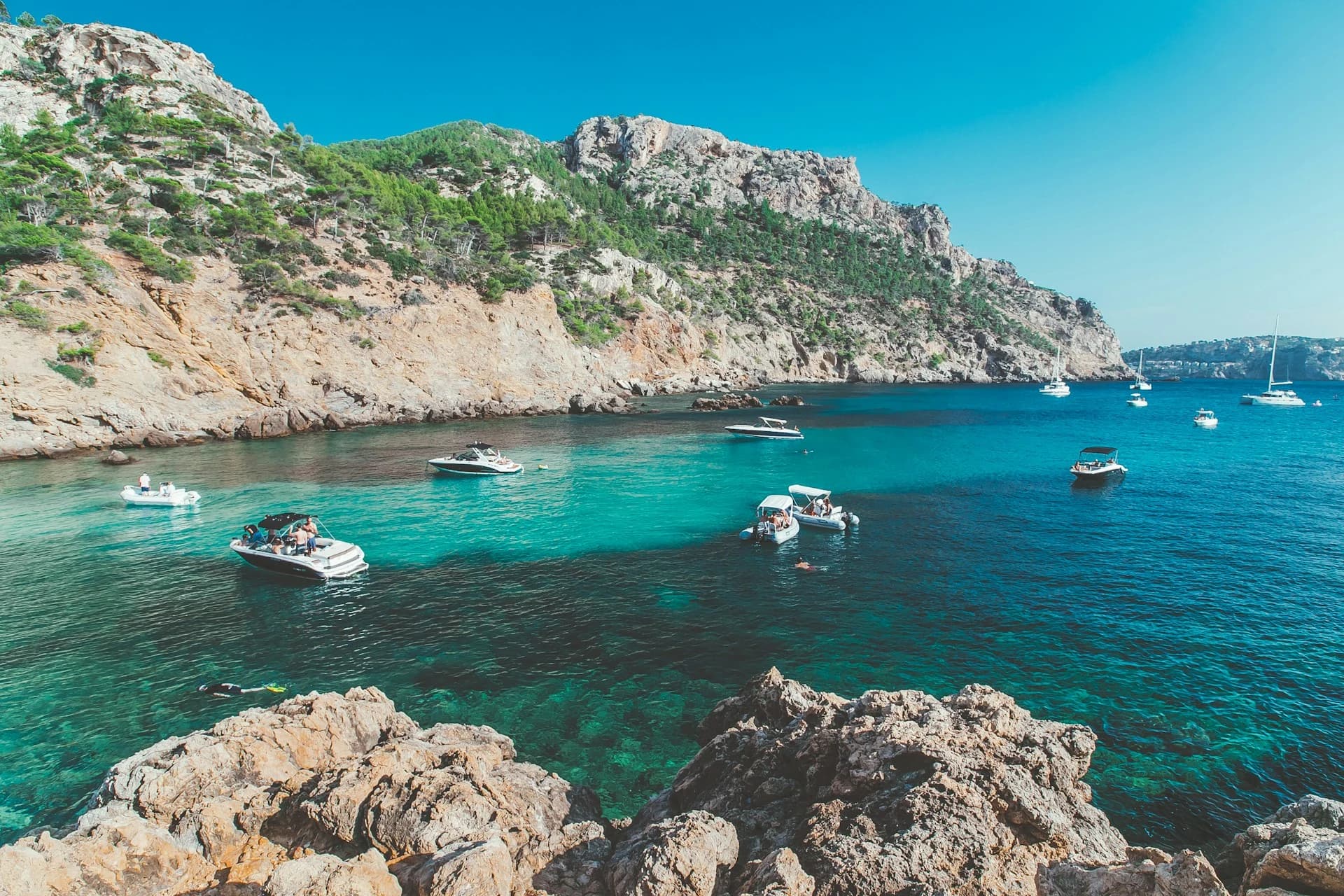
Below the village, a steep path leads down to Cala Deià, a small pebbled cove flanked by cliffs and olive trees, with a couple of seafront restaurants that are an institution at lunch. Deià is genuinely tiny, parking is tight, and there is not a lot to "do" beyond wander, eat, and swim, so it rewards a short, slow visit. For how it compares with the island's biggest mountain town, see our Sóller vs Deià guide.
Valldemossa: The Monastery Village
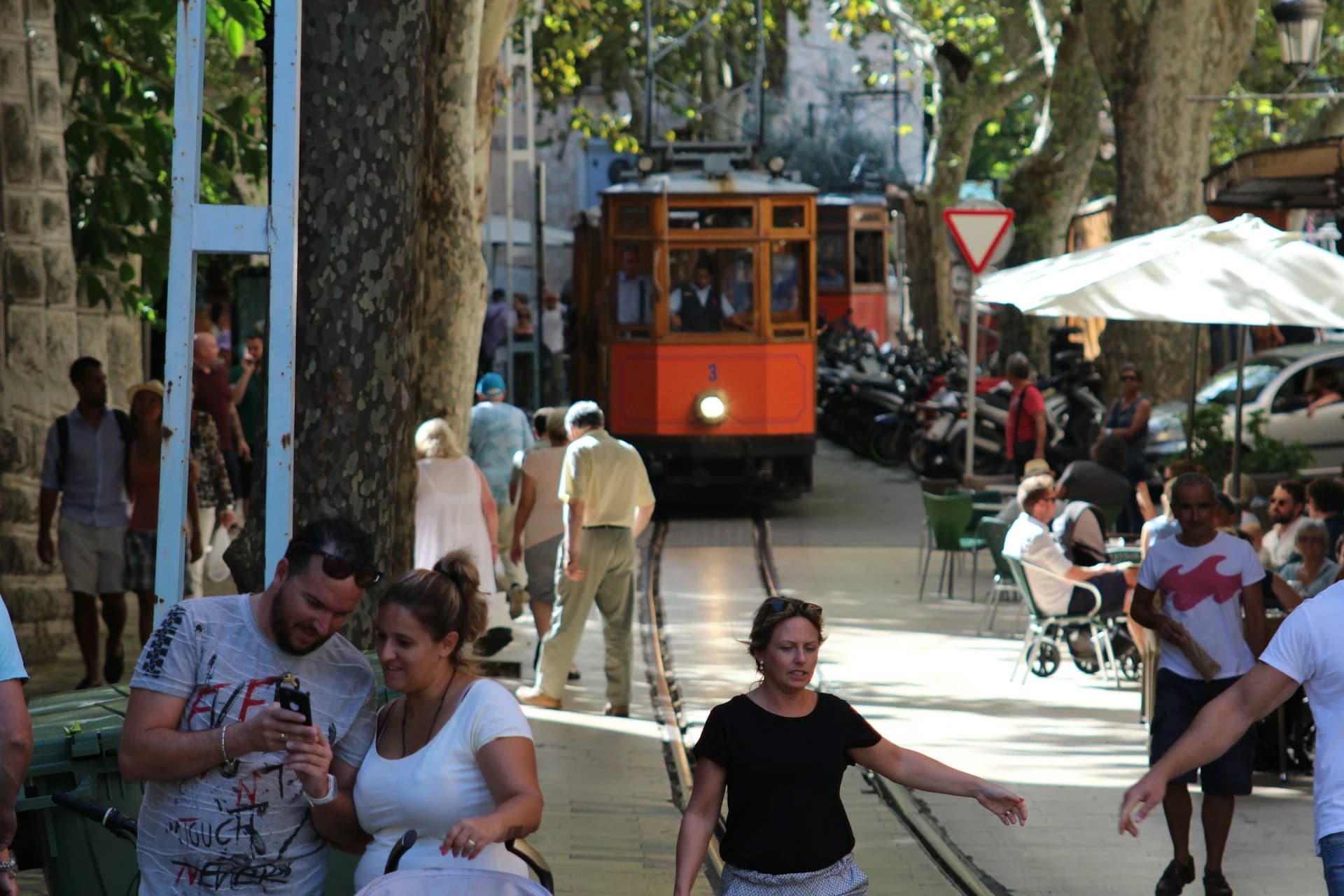
Valldemossa is the picture everyone has of a Mallorcan mountain village: steep cobbled lanes of honey-coloured stone, green shutters, and flowers on the walls, all wrapped around the Royal Carthusian Monastery (the Real Cartuja). The monastery is the headline sight, famous as the place the composer Frédéric Chopin and the writer George Sand spent the winter of 1838 to 1839, and its cells, gardens, and small museums are the main thing to see.
It is a little bigger and higher than Deià, with more lanes to wander, more cafés and shops, and the local treat of coca de patata, a soft, sugar-dusted potato bun best with a hot chocolate. Like Deià it fills with tour buses by midday, so it is best early or late. For how it compares with the island's biggest mountain town, see our Sóller vs Valldemossa guide.
Getting Between Deià and Valldemossa
The two villages are neighbours on the same mountain road, which makes them very easy to combine.
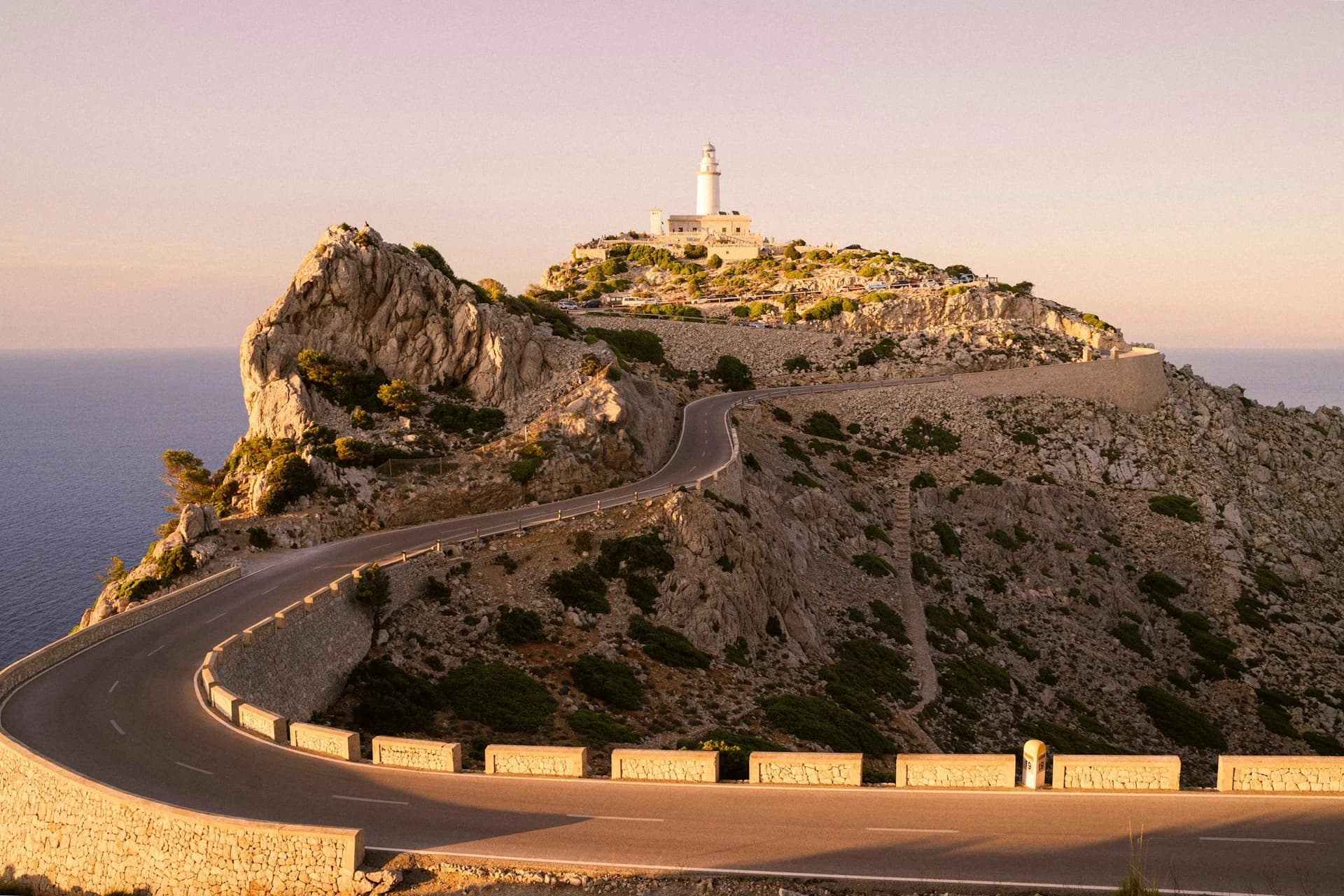
- Between the two: About 10 km on the MA-10, a roughly 15 minute drive along the cliff-hugging Tramuntana coast road, one of the prettiest stretches on the island. A local bus also links them.
- From Palma: Valldemossa is about 30 minutes by car or bus; Deià is a little further along the same road. Neither has a train.
- Adding Sóller: Continue past Deià and the road drops into the Sóller valley, so all three villages sit on one scenic drive.
Because they are so close, the simplest plan with a car is to drive the coast road and see both, ideally continuing to Sóller for a full Tramuntana day.
How to See Both in a Day
If you have a car, our take is that the best plan is simply to do both: drive the MA-10 and string Valldemossa and Deià together, ideally continuing to Sóller for a classic Tramuntana day. A common rhythm is Valldemossa first thing before the crowds, then the short drive to Deià for a late lunch at Cala Deià.
If you are not driving, a local bus links the villages, or a guided Tramuntana tour covers Valldemossa and the Sóller valley along the same coast road. Most people don't realize how much the drive itself is the highlight here: the 15 minutes between the two villages is one of the loveliest stretches of road on the island, so build in time to stop at the viewpoints.
Compare Tramuntana Day Tours
Both villages sit on the same mountain road and are reached by car or bus. Without a car, a guided Tramuntana day tour is the easiest way to see this stretch, usually taking in Valldemossa and the Sóller valley along the coast road that passes Deià. Compare the popular options below.
Book the Most Popular Option Directly
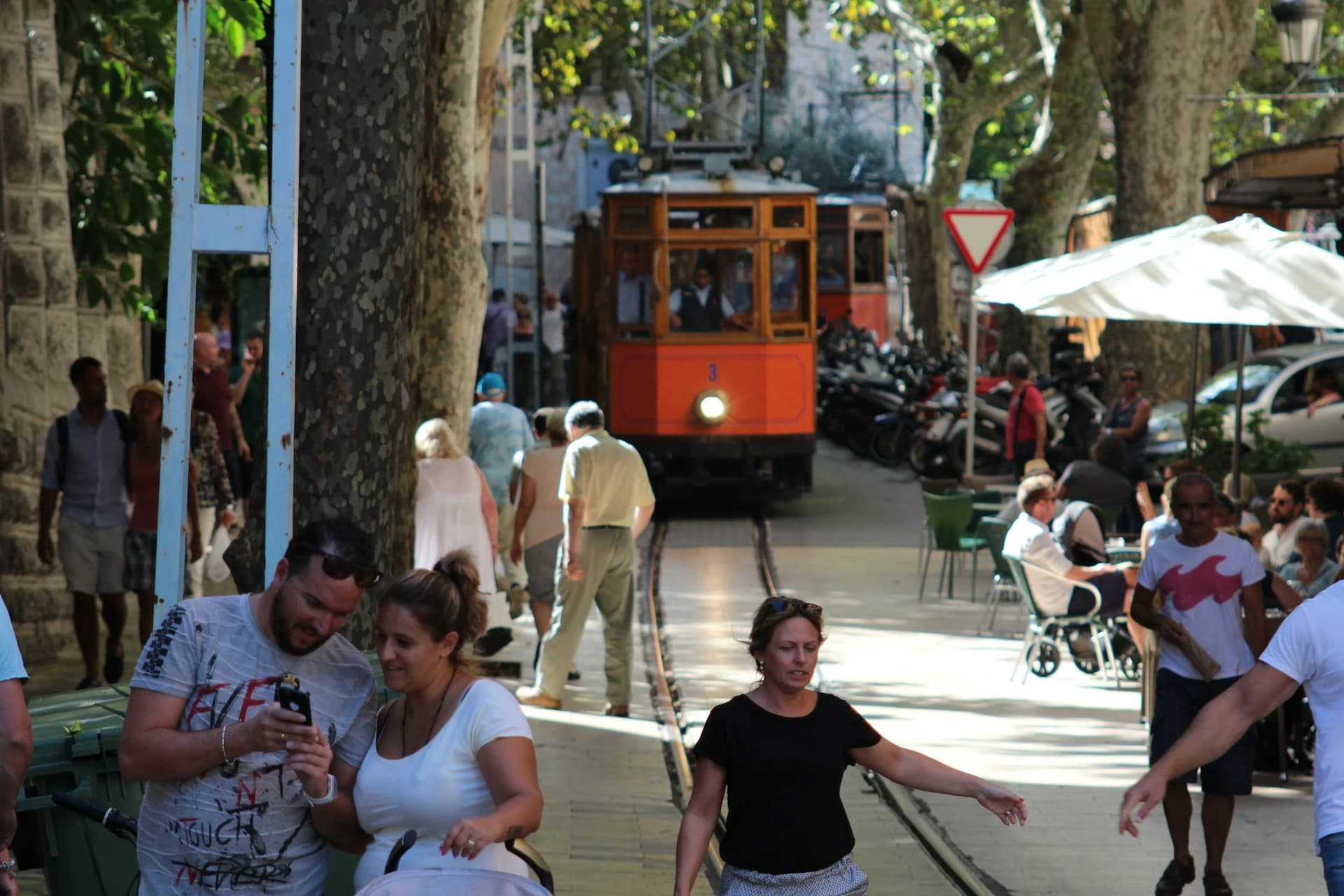
Live availability for a popular Valldemossa and Sóller full-day tour by bus and tram. Pick your date below.
- Free cancellation 24h
- Reserve now & pay later
- Visits Valldemossa and the Sóller valley
- Historic Sóller tram ride
- Pickup from Palma & resort areas
- A full day out, not a quick village stop
We may earn a commission on bookings made through this widget — at no extra cost to you.
Can You Stay Overnight?
You can, and both make a peaceful, scenic base, though they are small and most people visit on a day trip.
- Deià: Tiny and upmarket, known for boutique and luxury stays rather than budget rooms. Staying over means the village to yourself once the day-trippers leave, but expect higher prices and limited choice.
- Valldemossa: A handful of small and boutique hotels, quieter and more limited than a town. The reward is the same: the monastery village calm in the evening once the buses have gone.
For a bigger, more practical Tramuntana base with hotels and restaurants, Sóller is the better bet; see our Palma vs Sóller comparison for where to base on the island.
Best Time to Visit
Both villages are at their best in spring and autumn, when the Tramuntana is green or golden, the coast road is a joy to drive, and the crowds are thinner. Summer is busy and hot, and both fill with tour buses at midday, Deià's tiny lanes and Cala Deià especially, so go early. Winter is quiet and atmospheric, though some restaurants keep shorter hours. Whenever you go, mornings are calmer than midday in both. For the wider month-by-month picture, see our guide to the best things to do in Mallorca.
From Our Experience
We've found the two are so close and so complementary that the better question is the order to see them in, not which to skip. We'd do Valldemossa first for the monastery, then the short coast-road drive to Deià for a late lunch at Cala Deià, when the day-tripper buses have started to thin out.
Tips for Deciding
- Short on time? Lean Valldemossa. It has the famous monastery and a bit more to see, and it is closer to Palma.
- Want a swim or a special lunch? Lean Deià. Cala Deià and the village's restaurants are the draw.
- Go early to both: mornings beat the midday tour-bus crowds, which hit Deià's tiny lanes hardest.
- Drive the coast road slowly: the 10 km between the two is the highlight, so stop at the viewpoints.
- Make it a trio: Sóller sits just beyond Deià, so a self-drive day can easily take in all three villages.
How We Put This Comparison Together
The Spain Travel Insider team built this comparison from our in-depth Mallorca guides and from how these two villages actually work for a visit: what there is to see in each, how you reach them, how long they take, and how visitors typically combine them on a Tramuntana day. Rather than crown a winner, we have matched Deià and Valldemossa to the kind of stop each suits best, because they sit so close together that most people see both, and the right order depends on whether you want the monastery, the cove, or simply the drive. Where it helps, we link to our full guides so you can plan the villages, the coast road, and the rest of the island.
Frequently Asked Questions
Is Deià or Valldemossa better to visit?+
They are close cousins. Valldemossa is the slightly bigger, more famous stop, with its monastery and Chopin history and a bit more to see. Deià is the tinier, chicer, more scenic village, best for its artists' history, galleries, and the cove of Cala Deià.
How far is Deià from Valldemossa?+
About 10 km, a roughly 15 minute drive along the MA-10 coast road, one of the prettiest stretches on the island. A local bus also links the two villages.
Can you visit both Deià and Valldemossa in one day?+
Yes, easily. They are only about 10 km apart on the same coast road, so with a car you can see both, and many people continue to Sóller for a full Tramuntana day. A common plan is Valldemossa first, then lunch at Cala Deià.
What is Valldemossa known for?+
Valldemossa is known for the Royal Carthusian Monastery (the Real Cartuja), where Frédéric Chopin and the writer George Sand spent the winter of 1838 to 1839, and for being one of the prettiest stone villages in the Serra de Tramuntana.
What is Deià known for?+
Deià is known as an artists' and writers' village: the poet Robert Graves lived there, and his house Ca N'Alluny is now a museum. It is famous for its honey-stone houses on the cliffs, galleries, fine restaurants, and the scenic cove of Cala Deià.
Which is prettier, Deià or Valldemossa?+
Both are among the loveliest villages in Spain, so it is close. Deià has the more dramatic cliffside-above-the-sea setting, while Valldemossa is the classic postcard of cobbled lanes around a monastery. Most visitors happily see both and let the coast road decide.
Does Deià or Valldemossa have a beach?+
Deià has Cala Deià, a small pebbled cove below the village reached by a steep path, scenic and sheltered but rocky rather than sandy. Valldemossa is set inland in the mountains and has no beach of its own.
Affiliate note: Some links on this page are affiliate links. If you book through them, we may earn a small commission at no additional cost to you.