What Seville is really like in January: mild 16°C afternoons, the quietest monuments of the year, the lowest hotel prices, the Three Kings parade, and an honest look at the short days and occasional rain.
What You Should Know
- January is Seville's calmest, cheapest month: mild 16°C afternoons, the thinnest crowds of the year at the Alcázar and Cathedral, and central 4-star hotels from around €80 a night.
- The one busy window is the start of the month, when the Cabalgata de Reyes parade on January 5 and Epiphany on January 6 fill the city; prices and crowds drop away sharply after the 7th.
- The real tradeoff is daylight and the odd rainy day: you get about nine and a half hours of light and roughly six rain days, so plan outdoor sights for the warmer middle of the day.
- Most people don't realize the big spring festivals, Semana Santa and the Feria de Abril, are still months away, so January is about quiet monuments and cozy tapas, not events.
Seville in January
January days are short but very comfortable for sightseeing. Here is how a typical day unfolds when you front-load the monuments and keep the evening for tapas and flamenco.
- 019:00 AM
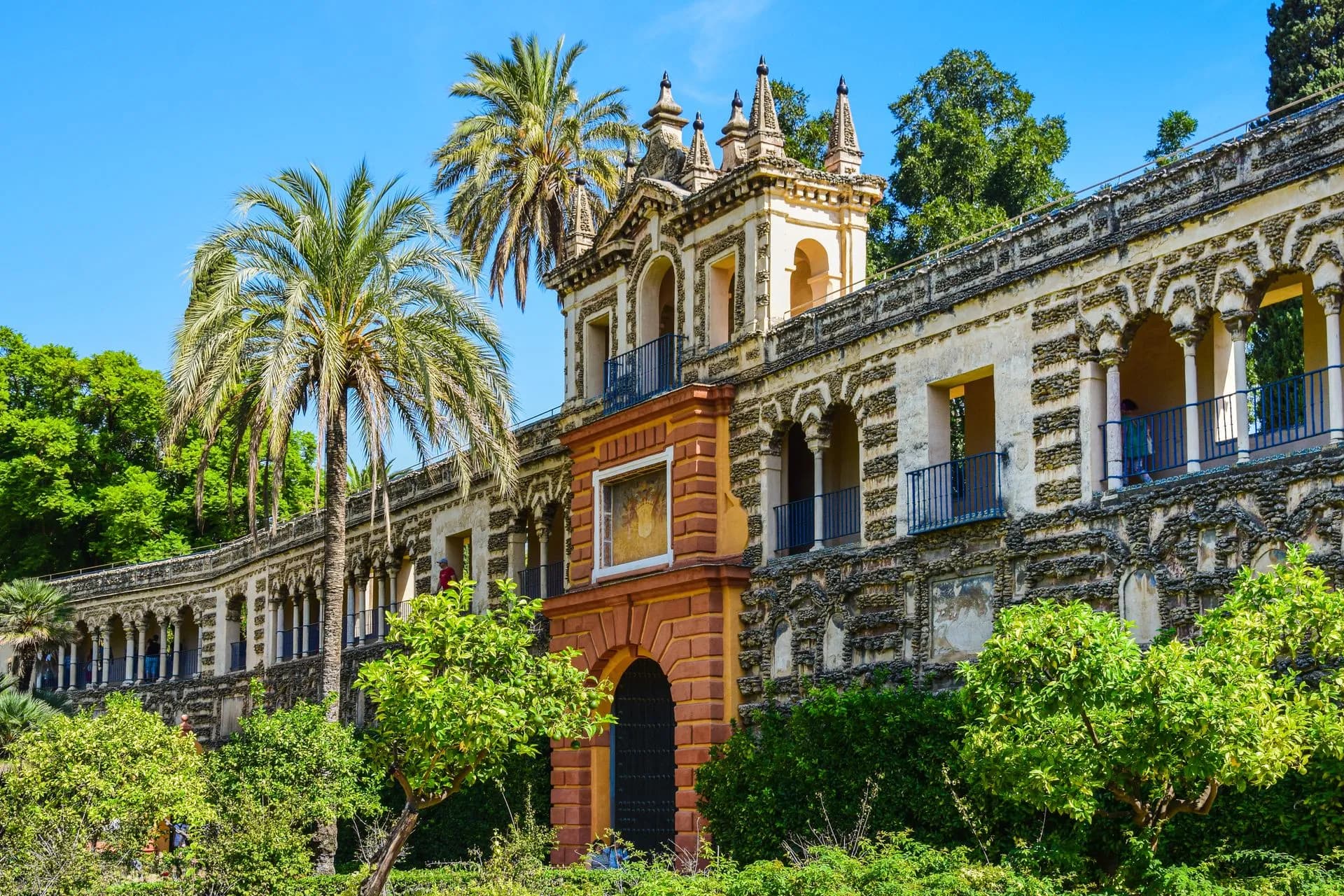
Royal Alcázar at opening
Start at the Alcázar the moment it opens. In January the courtyards and gardens are close to empty, and the cool morning is exactly when the Mudejar palace photographs best.
- 0211:00 AM
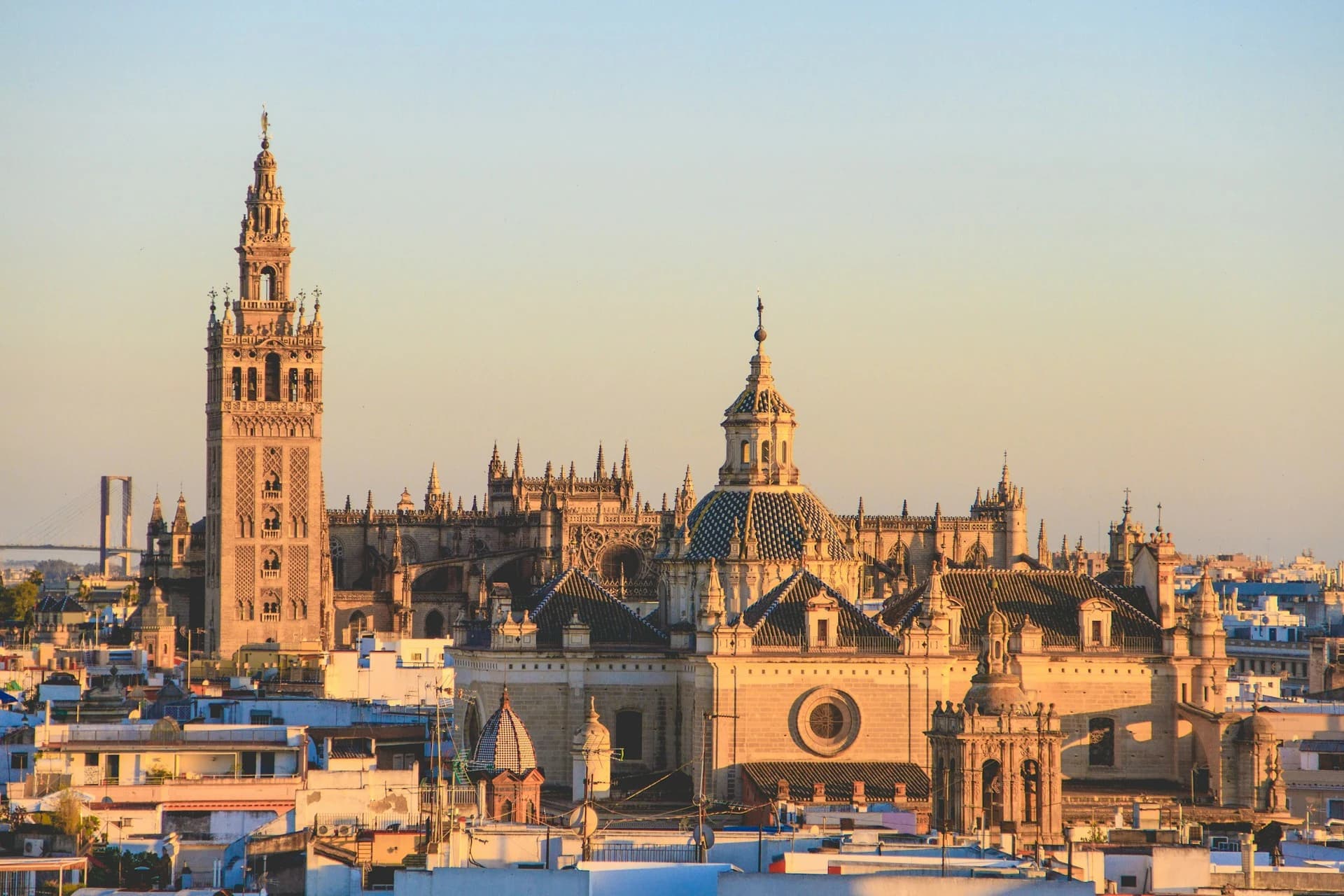
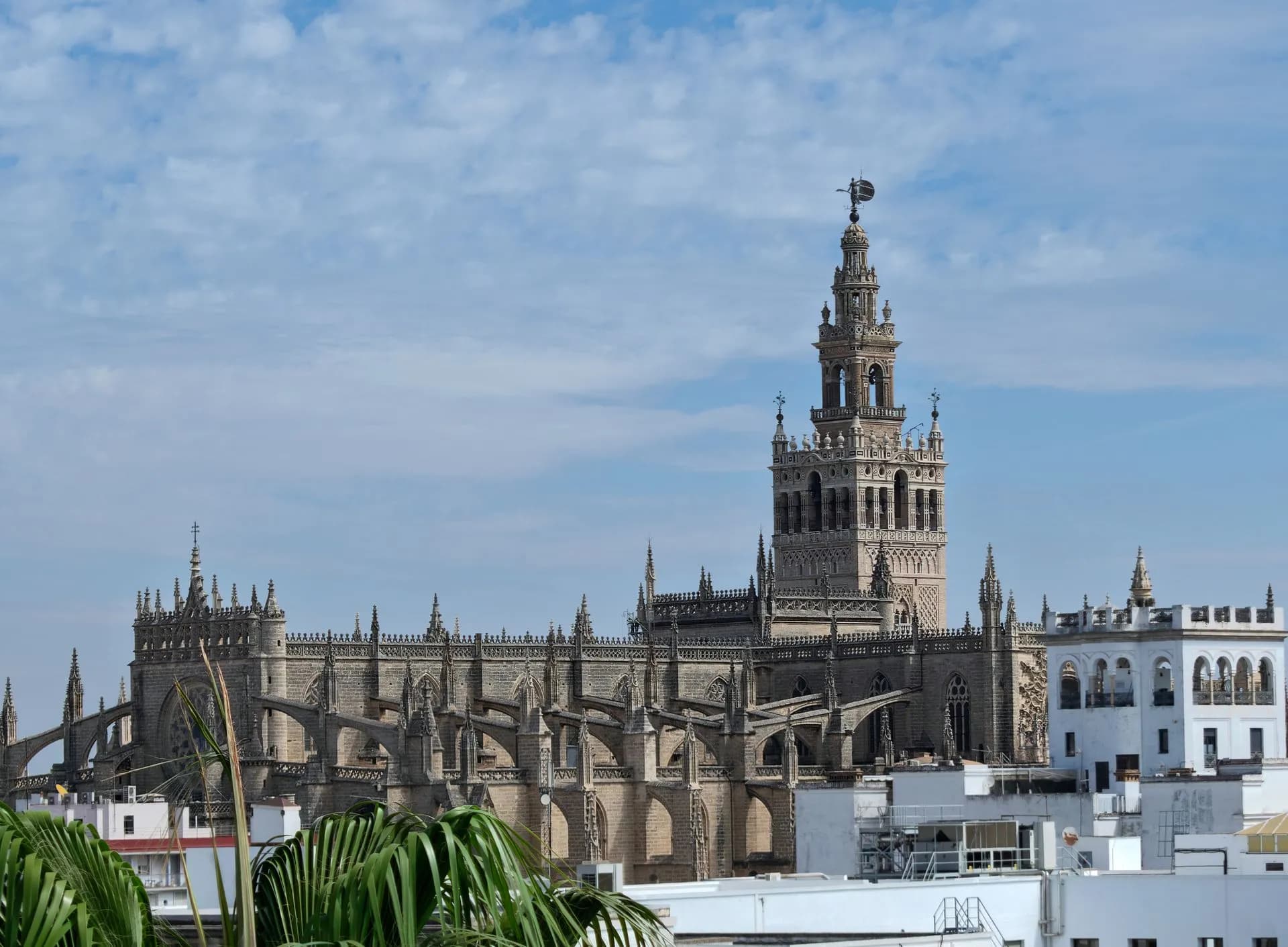
Cathedral and the Giralda climb
The 35-ramp Giralda climb that punishes you in summer is genuinely pleasant in winter, and the viewpoints at the top are uncrowded.
- 031:30 PM
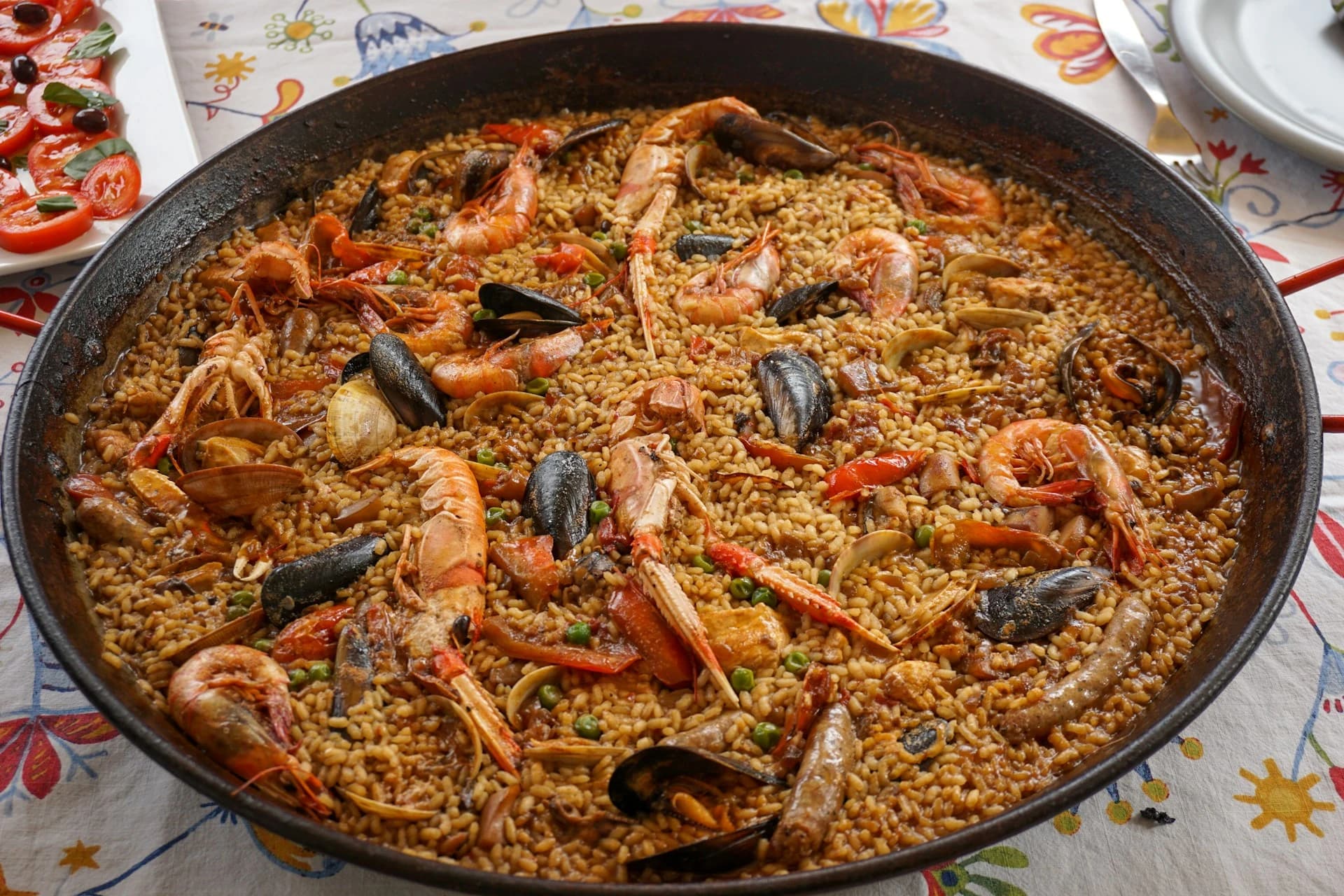
Long tapas lunch in Santa Cruz
The middle of the day is the warmest, but it is also when a slow indoor tapas lunch makes the most sense. This is the heart of a Seville winter day.
- 043:30 PM
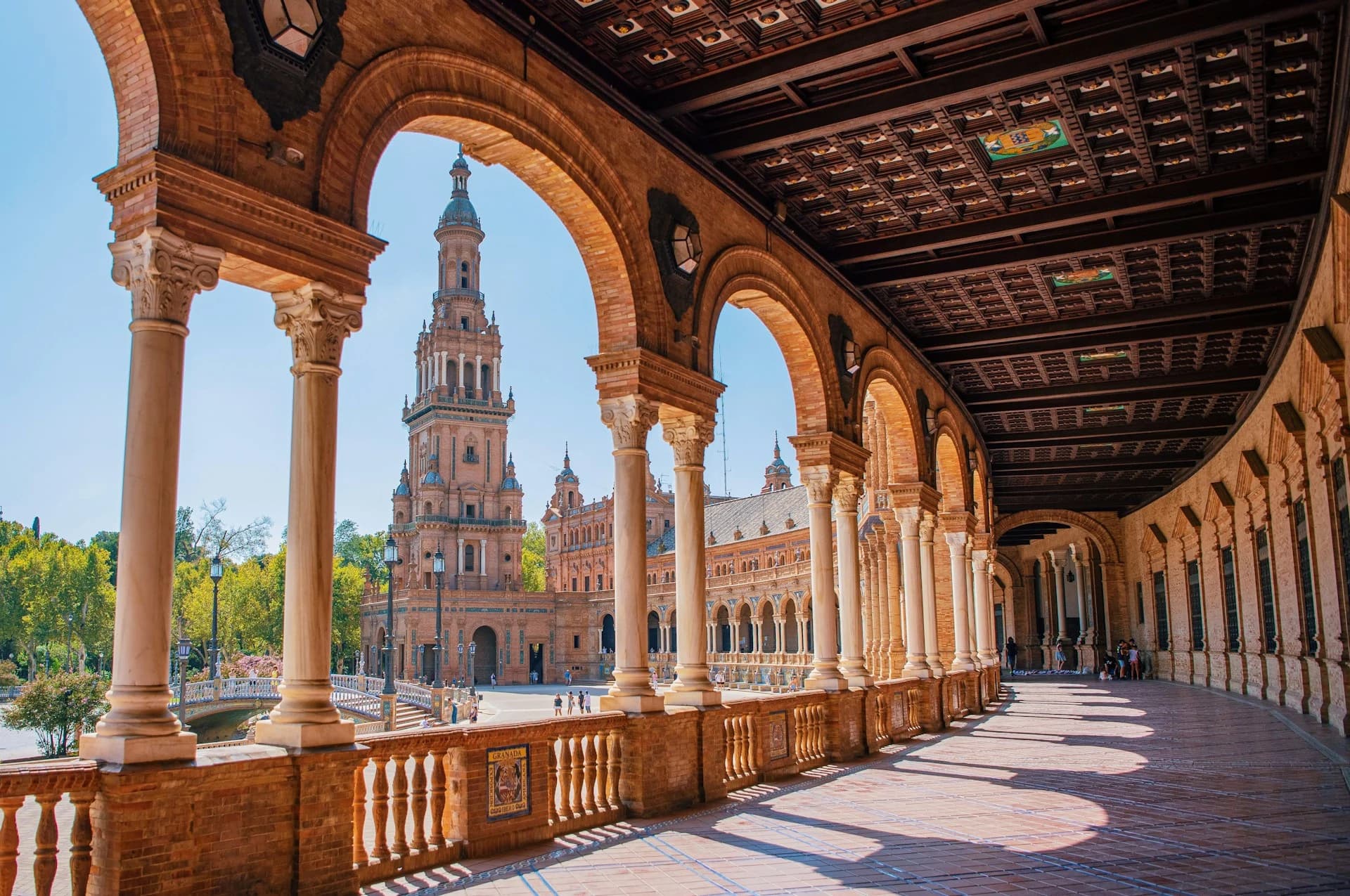
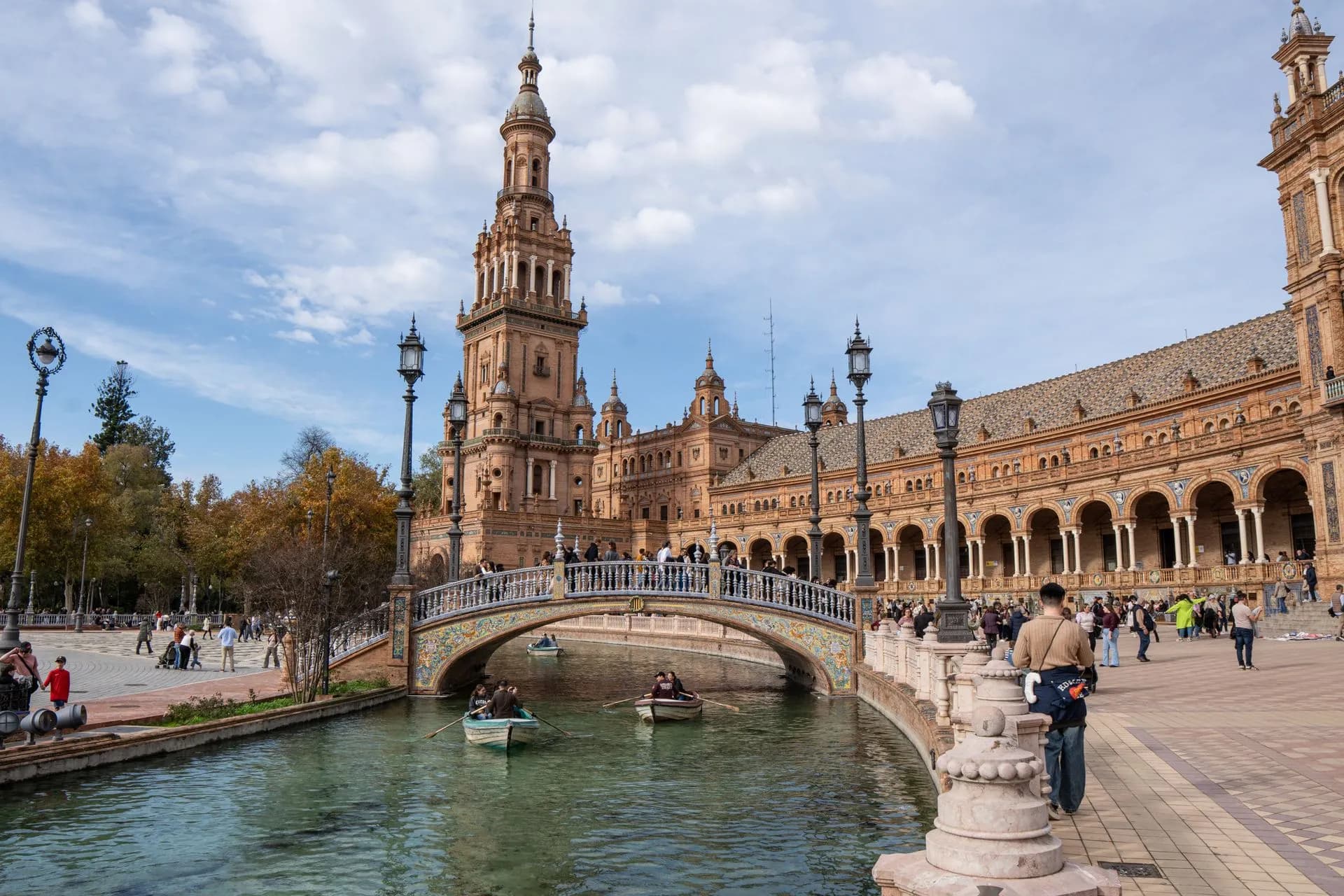
Plaza de España and María Luisa Park
Low winter sun gives the tiled alcoves of Plaza de España a soft light, and the park paths are quiet. The rowboats run with almost no queue.
- 056:15 PM
Sunset over the river
The sun sets early, around 6:15, so catch the last light from the Triana bridge or the Calle Betis riverbank before the evening cool sets in.
- 068:30 PM
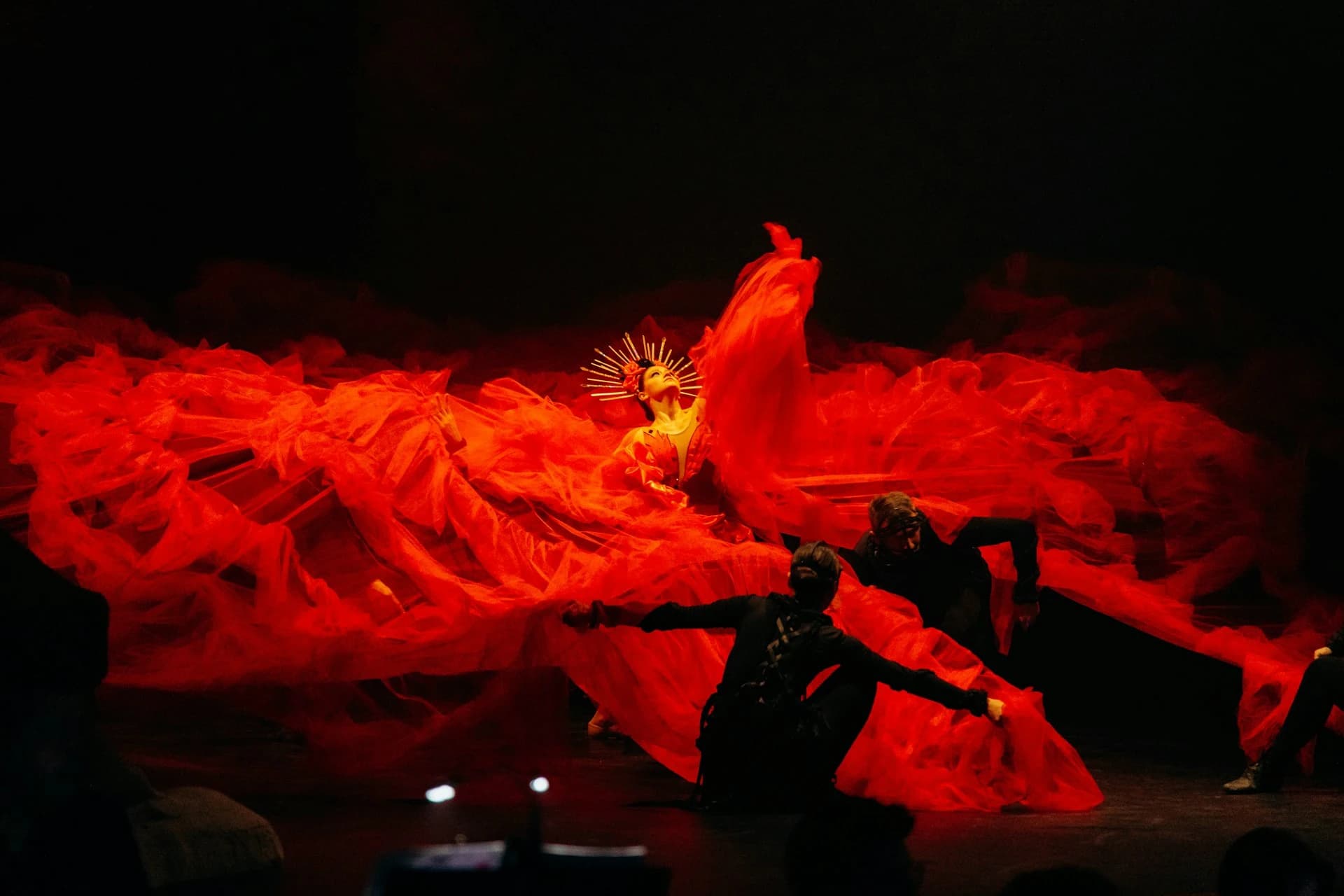
Flamenco and late dinner
Flamenco rooms are warm, intimate, and run year-round, which makes them the ideal January night out, followed by late tapas in the neighborhood.
- 01
Royal Alcázar at opening
Start at the Alcázar the moment it opens. In January the courtyards and gardens are close to empty, and the cool morning is exactly when the Mudejar palace photographs best.
9:00 AM - 11:00 AM02
Cathedral and the Giralda climb
The 35-ramp Giralda climb that punishes you in summer is genuinely pleasant in winter, and the viewpoints at the top are uncrowded.
- 03
Long tapas lunch in Santa Cruz
The middle of the day is the warmest, but it is also when a slow indoor tapas lunch makes the most sense. This is the heart of a Seville winter day.
1:30 PM - 3:30 PM04
Plaza de España and María Luisa Park
Low winter sun gives the tiled alcoves of Plaza de España a soft light, and the park paths are quiet. The rowboats run with almost no queue.
- 05
Sunset over the river
The sun sets early, around 6:15, so catch the last light from the Triana bridge or the Calle Betis riverbank before the evening cool sets in.
6:15 PM - 8:30 PM06
Flamenco and late dinner
Flamenco rooms are warm, intimate, and run year-round, which makes them the ideal January night out, followed by late tapas in the neighborhood.
⭐ Best January window: the second half of the month, roughly January 12 to 26. The New Year and Three Kings crowds have cleared, prices sit at their lowest, and the Alcázar and Cathedral are as calm as they ever get. The exception: come for January 5 if you specifically want the Cabalgata de Reyes parade.
| Factor | January Rating |
|---|---|
| Weather | 7/10 — mild and often sunny, cool mornings, the odd rainy day |
| Crowds | 9/10 — among the quietest months of the year |
| Prices | 9/10 — winter low, close to the cheapest month |
| Outdoor Sightseeing | 8/10 — comfortable midday temperatures, no heat; short days are the only limit |
| Day Trips | 7/10 — Córdoba and Cádiz are fine; mountain trips are cooler with shorter daylight |
| Festivals & Events | 5/10 — Three Kings on January 5 to 6 is the highlight; the calendar is otherwise dormant |
| Tapas & Terraces | 7/10 — indoor tapas is excellent; outdoor terraces are cool after dark |
| Families | 7/10 — the Three Kings parade is magical for kids and the monuments are calm |
| Couples | 8/10 — quiet, low prices, and a romantic, unhurried city |
💰 Average January hotel prices (central Seville, 4-star mid-range):
New Year (Jan 1–2): ~€140/night · Rest of January (Jan 8–31): ~€80/night
Rough mid-range estimates; rates vary by property and booking lead time.
January is the month to come to Seville if your priority is the city itself rather than the big spring events. The weather is mild for Europe, the monuments are calm enough to wander at your own pace, and you pay close to the lowest hotel rates of the year. Our take: it is the best-value month to see the Alcázar and Cathedral properly, without the lines and the heat that define spring and summer.
It is a great fit for couples after a quiet, romantic break, for culture-first travelers who want the museums and palaces unhurried, and for anyone who feels the cold less than they feel crowds. We'd lean toward January over the better-known spring months for a first, sightseeing-heavy trip where the monuments are the point. The biggest difference from spring is energy: there are no processions or fairs filling the streets, so if you want Seville at full festival pitch, this is not your month. We'd only do January if you are happy trading events and long days for calm, value, and elbow room.
Compare the Most Popular Things to Do in Seville in January
January's quiet monuments and short lines make the big indoor sights the easiest they are all year. Compare three of Seville's most-booked experiences side by side, then check live dates below.
Book the Most Popular Option Directly
Live availability for the Royal Alcázar skip-the-line ticket (4.6 from 32,500+ reviews), the calmest it gets all year. Pick your January date below.
- Free cancellation 24h
- Reserve now & pay later
- Skip-the-line entry
- 4.6 from 32,500+ reviews
- Cool stone interiors, ideal in winter
- Guided commentary not included on the basic ticket
We may earn a commission on bookings made through this widget — at no extra cost to you.
Seville Weather in January
Temperature and Daylight
January is the coldest month in Seville, but cold here is relative. Afternoons typically reach around 16°C, warm enough for comfortable walking in a light jacket, while mornings and evenings drop to about 6°C and call for a proper layer. The bigger adjustment for most visitors is daylight: with sunrise near 8:30 AM and sunset around 6:15 PM, you have roughly nine and a half hours of usable light, so an early start matters more than it does in summer.
Rain Pattern
Along with December, January is one of the wetter months, averaging about six rainy days. What typically happens is a few unsettled days of showers separated by longer stretches of clear, bright weather, rather than constant rain. The rain rarely lasts all day, so a flexible plan, with indoor options like the Cathedral interior, a cooking class, or a flamenco show held in reserve, handles it easily.
Outdoor Conditions and What to Pack
On a dry January day the city is a pleasure to walk: flat, compact, and free of the summer crowds. The Alcázar gardens, María Luisa Park, and the riverbank are all comfortable in the middle of the day. Pack layers you can shed as the afternoon warms, a warm top for the evening, and a compact umbrella or rain jacket. In our view the single most useful thing you can bring is a versatile mid-layer, since the swing between a 6°C morning and a 16°C afternoon is real.
Crowds and Prices in January
January splits cleanly into a short, busier holiday stretch at the very start and three quiet, low-cost weeks after it. Understanding that split is the key to timing your trip and your budget.
New Year and the Cabalgata de Reyes parade on January 5, followed by the Epiphany holiday on the 6th, bring a brief local bump. Prices and crowds tick up around the holiday, then fall away sharply once the 7th passes.
The calmest, lowest-priced stretch of the entire year. Monuments are near-empty, same-day tickets are easy, and central 4-star hotels sit around their €80 floor. We'd book this if value and space are what you are after.
Still very quiet, with the occasional rainy day the only thing to plan around. Ideal for unhurried sightseeing and easy restaurant tables without a reservation.
The quiet continues, with the first hints of late-winter weekend visitors toward month's end. Nothing remotely like the spring crush, and prices stay low.
Across the whole month, expect short lines at the Alcázar and Cathedral and central 4-star rooms in the €75 to €95 range outside the Three Kings holiday.
Seville Month by Month: Weather, Crowds, and Prices
To put January in context, here is how Seville's three big trip variables, temperature, crowds, and hotel prices, move across the year. January sits at the cool, quiet, low-cost end of all three, highlighted in each chart below.
ℹ️ Charts are based on typical Seville climate normals and the central 4-star mid-range hotel pricing our team tracks. Actual rates vary year to year and by booking lead time. April's spike reflects Semana Santa and the Feria de Abril.
How January Compares to Other Months
If you are weighing January against the months either side of it, this is the quick version. The table covers the two months before and after January so you can see how the late-autumn and winter window stacks up.
| Month | Crowds | Weather | Prices |
|---|---|---|---|
| November | Low | Mild (20°C) | Moderate |
| December | Medium | Cool (17°C) | Moderate |
| January | Very Low | Mild (16°C) | Lowest |
| February | Low | Mild (18°C) | Low |
| March | Medium | Warm (21°C) | Rising |
The short read: the late-autumn and winter stretch from November through February is Seville's quietest, best-value window, and January is the cheapest and calmest of the lot. December lifts a little around Christmas, then crowds and prices start climbing again in March as the weather warms and the spring festival season comes into view. For the full year-round picture, see our guide to the best things to do in Seville.
Festivals and Events in Seville in January
Seville's headline draw is its spring festival season, and in January that season is still on the horizon: Semana Santa falls around late March into early April in 2026, and the Feria de Abril follows roughly three weeks later. January has one genuine event of its own, and it is a good one.
Cabalgata de Reyes Magos (Three Kings, January 5)
On the evening of January 5, the Three Kings parade winds through the center, with elaborate floats and the Magi tossing sweets to children lining the route. It is the emotional peak of the Spanish Christmas, bigger here than Christmas Day itself, and January 6 (Epiphany) is a public holiday when much of the city is closed and families gather. We like this for travelers with kids: it is free, it is local, and it is the one time January feels festive.
The Rest of the Month
After Epiphany the events calendar goes quiet until spring. That is not a drawback so much as the whole point of a January trip: the city belongs to its residents and to the handful of visitors who came for the monuments rather than the crowds. If festivals are non-negotiable for you, our spring guides will serve you better; for everyone else, the quiet is the attraction.
The Three Kings parade through the center on the evening of the 5th. Free, family-focused, and the city's one big January event.
A public holiday when many shops and some attractions close. Check opening hours and book any monument tickets in advance for that day.
Semana Santa (around March 29 to April 5, 2026) and the Feria de Abril (around April 20 to 26) are the spring blockbusters, still months off in January.
The January Tradeoff: Short Days and Cool Evenings
Seville has no summer-heat problem in January; the seasonal risk flips to the opposite end. The two things to plan around are short daylight and cooler, occasionally wet, evenings. Neither is severe, but both shape how you build a day.
Short Days
With only about nine and a half hours of daylight, the margin for a slow start is thinner than in spring. The fix is simple: open with a monument at its opening time, keep the outdoor sights for the bright middle of the day, and let the early sunset push you indoors for tapas, a tasting, or a show. Done that way, the short day stops feeling like a constraint.
Cool Evenings and Rain
Once the sun drops, temperatures fall toward 6°C, and outdoor terraces lose their appeal. This is where Seville's indoor culture shines: warm tapas bars, cooking classes, sherry and wine tastings, and intimate flamenco rooms are all at their best on a cool night. We think the tradeoff is more than fair, because the same weather that empties the terraces also empties the monument queues.
What Stays Closed or Limited
A few seasonal attractions wind down in winter: the Isla Mágica theme park is closed until spring, and some river and walking tours run reduced schedules. The core sights, the Alcázar, Cathedral, museums, and flamenco venues, all operate normally, so the impact on a culture-focused trip is minimal.
Best Things to Do in Seville in January
| Activity | January Rating | Best Time of Day | Notes |
|---|---|---|---|
| Royal Alcázar | 9/10 | At opening | Calmest of the year; cool stone interiors are fine in winter and the gardens are quiet. |
| Cathedral & Giralda | 9/10 | Morning | The Giralda climb is comfortable without the summer heat, and the top is uncrowded. |
| Flamenco show | 9/10 | Evening | Indoor, warm, and year-round; the ideal January night out. |
| Tapas / food tour | 9/10 | Midday or evening | Cozy and indoors; one of the best cold-weather experiences in the city. |
| Cooking class | 9/10 | Morning or afternoon | Indoor and hands-on; a perfect rainy-day plan. |
| Wine / sherry tasting | 9/10 | Afternoon | Warm, indoor, and unhurried in the low season. |
| Walking tour | 8/10 | Midday | Comfortable walking temperatures and no heat; dry days are excellent. |
| Plaza de España photoshoot | 7/10 | Midday | Soft winter light and far fewer people in the background; cool but workable. |
| Day trips | 7/10 | Full day | Córdoba and Cádiz are pleasant; mountain trips are cooler with less daylight. |
| River cruise | 6/10 | Midday | Runs year-round but breezy and cool on the water; the warmest part of the day helps. |
| Bike tour | 6/10 | Midday | Flat and very doable on dry days; a rainy forecast can cancel plans. |
| Hop-on-hop-off bus | 6/10 | Midday | The open top deck is cold in the morning and after dark; ride midday or sit below. |
What We'd Prioritize in January
January rewards a simple strategy: do the marquee monuments early and cheap while they are quiet, then build the rest of the day around indoor culture. The Alcázar and the Cathedral and Giralda are the headline acts, and they are never easier to enjoy than now, with short lines and cool, clear interiors. We'd give this the edge for any first-time visitor whose main goal is to actually see Seville's great buildings without a scrum.
For the evenings, lean into what the season does well. A flamenco show, a tapas crawl, a cooking class, or a sherry tasting all sidestep the cool night and the early sunset entirely. We'd point you here if you want your trip to feel full despite the short days, because Seville's indoor life is rich enough to carry the whole evening. Save the river cruise, the open-top bus, and any bike tour for the brightest, driest day on your forecast, when they go from merely fine to genuinely good.
More January Ideas Without a Dedicated Guide
Beyond the bookable tours, a handful of low-key, mostly free experiences suit a quiet January day:
- Watch the Cabalgata de Reyes (January 5): Stake out a spot along the central route in the late afternoon for the Three Kings parade, the city's big January moment.
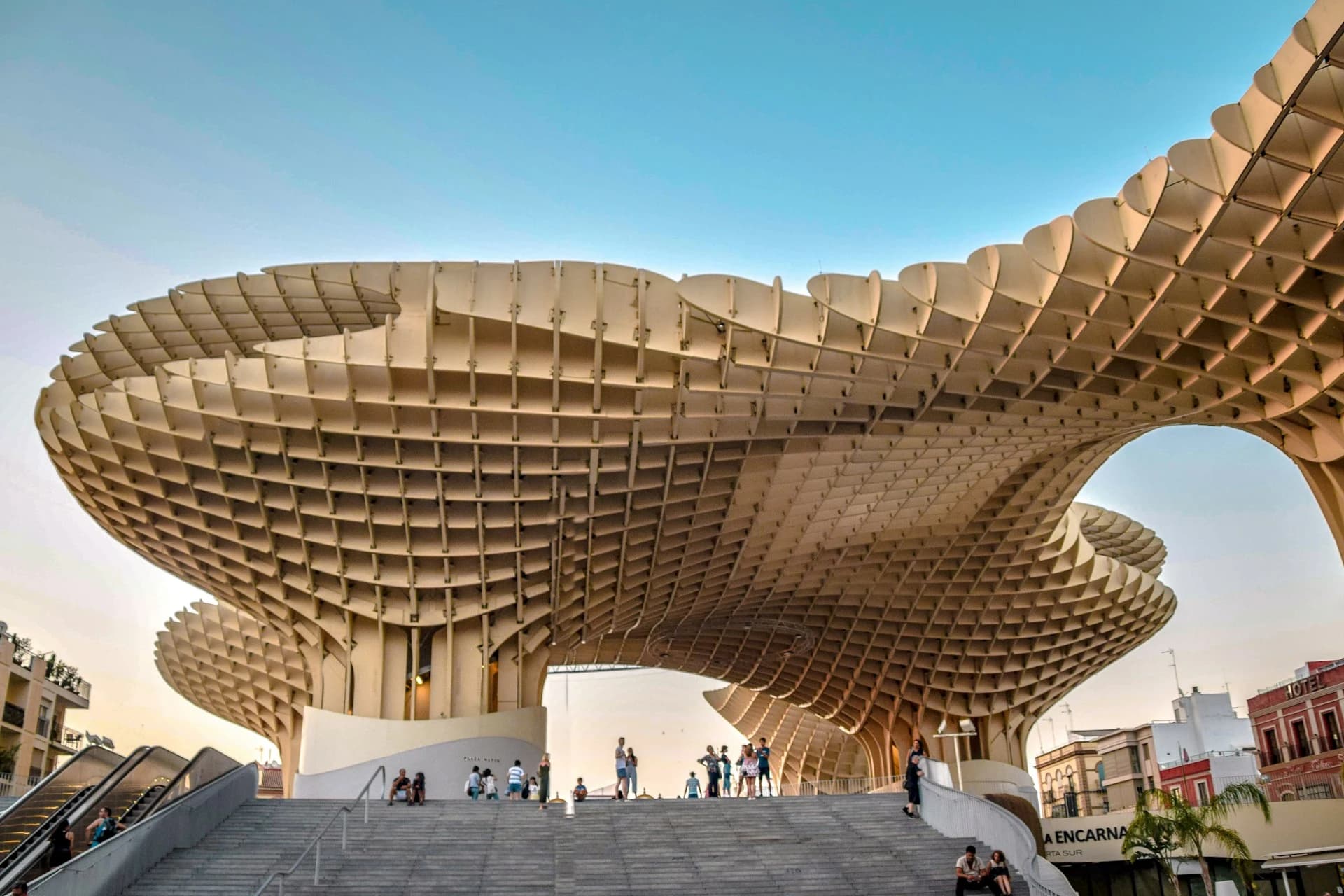
- Las Setas rooftop walkway: The Metropol Parasol walkway gives wide city views, and the early winter sunset arrives at a civilized hour.
- Plaza de España rowboats: The little boats on the canal run with almost no queue in January, and the plaza is at its most photogenic when it is this empty.
- Casa de Pilatos: This Andalusian palace blends Mudejar and Renaissance styles and stays calm and indoors-friendly in winter.
- Triana Market and ceramics: Browse the food stalls and the ceramic shops across the river, an easy warm-up on a cool morning.
- Churros con chocolate: A thick hot chocolate at a classic spot like Bar El Comercio is exactly the right move on a cold Seville morning.
- María Luisa Park: The shaded paths that punish you with no shade in summer are simply pleasant winter walks.
ℹ️ Note: the Isla Mágica theme park is closed for the winter, so it is not an option in January.
From Our Experience
The detail that catches first-timers out is January 6: Epiphany is a real public holiday here, so check opening hours and book any monument for that day in advance, because plenty of the city simply shuts.
Tips for Visiting Seville in January
- Start early to beat the sunset: With only about nine and a half hours of light, open the day with a monument at its opening time and keep outdoor sights for midday.
- Pack layers, not just a coat: Mornings near 6°C and afternoons near 16°C mean a versatile mid-layer beats a single heavy jacket.
- Hold an indoor backup: With about six rainy days, keep a flamenco show, cooking class, or the Cathedral interior in reserve for a wet afternoon.
- Travel mid-to-late month for the best value: Prices and crowds bottom out after the Three Kings holiday, roughly January 8 onward.
- Mind the Epiphany closures: January 6 is a public holiday; confirm hours and book tickets ahead for that date.
- Book monuments anyway: Lines are short, but a timed Alcázar or Cathedral slot still guarantees your preferred time on a short winter day.
- Coming in December or February? Our Seville in December guide covers the festive Christmas season just before, and our Seville in February guide a slightly milder, drier month after, with the Cádiz Carnival day trip within reach.
- Visiting at a different time of year? See our wider guide to the best things to do in Seville for how the seasons compare, from the quiet winter to the spring festivals.
How We Put This Guide Together
The Spain Travel Insider team built this January guide around what actually changes month to month in Seville: the weather, the daylight, the crowd levels, the prices, and which experiences are at their best or worst in winter conditions. We cross-checked typical January climate figures, the city's event calendar, and the seasonal pricing patterns we track for central 4-star hotels, then matched each activity rating to how it really feels in winter rather than in the abstract. The aim is an honest picture: where January is the best month of the year to visit, like quiet monuments and low prices, and where it falls short, like short days and a dormant festival calendar, so you can decide whether it fits the trip you want.
Frequently Asked Questions
Is Seville good in January?+
Yes, if you value calm and value over events. January brings mild 16°C afternoons, the thinnest crowds of the year at the Alcázar and Cathedral, and the lowest hotel prices. The tradeoffs are short days, around nine and a half hours of light, the odd rainy day, and a quiet festival calendar until spring.
What is the weather like in Seville in January?+
January is Seville's coolest month but mild for Europe. Expect daytime highs around 16°C (61°F) and nighttime lows near 6°C (43°F), with about six rainy days spread across the month. Days are short, with sunset around 6:15 PM, so an early start helps you make the most of the daylight.
What festivals or events are in Seville in January?+
The big one is the Cabalgata de Reyes Magos, the Three Kings parade, on the evening of January 5, followed by the Epiphany public holiday on January 6. After that the events calendar is quiet until spring; Semana Santa and the Feria de Abril do not arrive until late March and April.
Does it rain a lot in Seville in January?+
January is one of Seville's wetter months, averaging about six rainy days. In practice that usually means a few unsettled days of showers between longer dry, sunny spells, rather than constant rain. Keep an indoor option like a flamenco show or cooking class in reserve for a wet afternoon.
Is January expensive in Seville?+
No, January is one of the cheapest months. Central 4-star hotels run around €80 a night for most of the month, rising only around the New Year and Three Kings holiday at the very start. Tours and monuments cost the same year-round, so the savings come mainly from accommodation and the easy availability.
What is the best week to visit Seville in January?+
The second half of the month, roughly January 12 to 26, is the sweet spot: the New Year and Three Kings crowds have gone, prices are at their lowest, and the monuments are at their calmest. Choose the first week instead only if you specifically want to see the Three Kings parade on January 5.
What are the best things to do in Seville in January?+
Prioritize the marquee monuments while they are quiet: the Royal Alcázar and the Cathedral and Giralda are easiest to enjoy now. Then build evenings around indoor culture, a flamenco show, a tapas crawl, a cooking class, or a sherry tasting, which all sidestep the cool nights and early sunset.
Is it cold in Seville in January, and what should I pack?+
It is cool rather than cold by northern European standards, with afternoons near 16°C and mornings near 6°C. Pack layers you can shed as the day warms, a warm top for the evening, and a compact umbrella or rain jacket. A versatile mid-layer is the most useful single item for the daily temperature swing.
Affiliate note: Some links on this page are affiliate links. If you book through them, we may earn a small commission at no additional cost to you.