The complete guide to the best things to do in Seville: the Cathedral and Giralda, the Royal Alcázar, flamenco, tapas and wine, river cruises, and day trips, with our pick in every category and links to the full guides.
What You Should Know
- Seville packs its biggest sights into a walkable historic center: the Cathedral and Giralda, the Royal Alcázar, Plaza de España, and the Triana quarter are all within about 20 minutes on foot of each other.
- The unmissable trio is the Cathedral and Giralda, the Royal Alcázar, and a flamenco show; tickets to the two monuments sell out on busy days, so book those ahead.
- Spring (March to May) is prime season for the weather, the Semana Santa processions, and the April Feria, but it is also the busiest and priciest; high summer is very hot, and autumn is a quieter sweet spot.
- Most experiences are good value by European-city standards: monument tickets run about €13 to €20, flamenco from around €20, food, wine, and cooking experiences from about €20 to €90, and city tours from about €25.
Best Things to Do in Seville (2026)
Seville is one of the most rewarding cities in Spain to visit: the capital of Andalusia wraps the world's largest Gothic cathedral, a fairy-tale Moorish palace, the birthplace of flamenco, and some of the country's best tapas into a compact, sun-drenched old town. This guide rounds up the best things to do in Seville, with our top pick in every category and a link to the full guide for each, so you can plan a day or a long weekend with prices, tips, and the right tour already sorted.
The best things to do in Seville are:
- Visit the Cathedral and climb the Giralda
- Tour the Royal Alcázar palace and gardens
- Watch a flamenco show in Triana or Santa Cruz
- Explore Plaza de España and María Luisa Park
- Take a tapas food tour
- Cruise the Guadalquivir River
- Wander the Triana quarter and its market
- Take a day trip to Córdoba, Ronda, or Cádiz
Whether it is your first time or a return trip, the sections below cover the monuments, the best ways to get around, food and wine, flamenco and nightlife, and the day trips and extras that round out a stay. Each links to our in-depth guide with operator comparisons, prices, and booking.
Almost everything worth seeing in Seville sits in one walkable cluster between the river and the old town. The numbered pins map the headline sights, from the Cathedral, the Royal Alcázar, and Plaza de España to Triana, the Torre del Oro, and Las Setas, so you can see how close together they really are.
Seville's Top Attractions at a Glance
How the headline experiences compare on time, cost, and whether we think they earn a place in your plans. Costs are the typical from-price; our rating is editorial.
| Attraction | Time Needed | Cost | Worth It? |
|---|---|---|---|
| Cathedral & Giralda | ~2 hrs | from €18 | ⭐⭐⭐⭐⭐ |
| Royal Alcázar | 2 to 3 hrs | from €20 | ⭐⭐⭐⭐⭐ |
| Flamenco show | ~1 hr | from €20 | ⭐⭐⭐⭐ |
| Tapas food tour | 2 to 3 hrs | from €30 | ⭐⭐⭐⭐ |
| Walking tour | 2 to 3 hrs | free to €25 | ⭐⭐⭐⭐ |
| Guadalquivir cruise | ~1 hr | from €17 | ⭐⭐⭐ |
The Cathedral and the Alcázar are the two we would not skip, and the only ones we would book in advance. Plaza de España is free, and arguably the most photogenic of the lot.
Quick Picks by Category
Our pick in each category, each linking to the full guide with comparisons and prices.
- Top monument: Cathedral and Giralda tickets: the world's largest Gothic cathedral plus the ramped climb up the Giralda bell tower, from about €18.
- Best palace: Royal Alcázar tours and tickets: the Mudéjar palace and gardens still used by the royal family, from about €20; book ahead as it sells out.
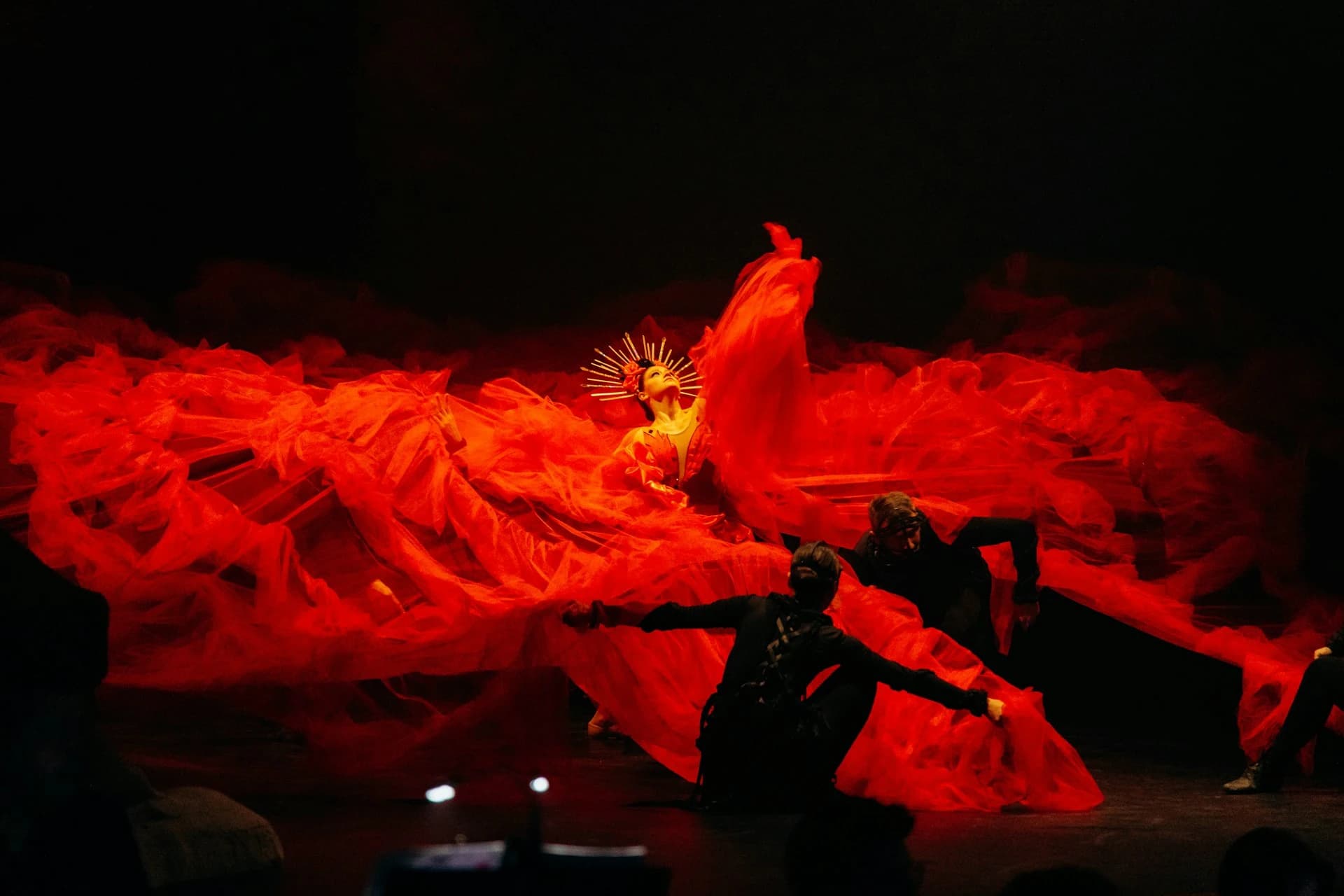
- Most iconic experience: Flamenco shows: intimate Triana and Santa Cruz tablaos, with drink or dinner options, from around €20.
- Best food: Tapas and food tours: a guided crawl through Santa Cruz and Triana, the easiest way to eat well on day one.
- Best for getting oriented: Walking tours for the dense old town, or the hop-on hop-off bus for the wider city.
- Best on the water: Guadalquivir river cruises: a relaxed hour on the river past the Torre del Oro and Triana.
- Best evening: a wine and sangria tasting at sunset or a lively pub crawl through the nightlife district.
- Best beyond the city: Day trips from Seville to Córdoba, Ronda, Granada, Cádiz, and the white villages.
Seville by Interest
Short on time? Here is where we would point you based on what you are into.
- Best for history and architecture: the Cathedral and Giralda and the Royal Alcázar, ideally with a guide to bring the centuries of Moorish and Christian history to life.
- Best for food and drink: a tapas food tour through Santa Cruz and Triana, the Triana Market, and a sherry and sangria tasting.
- Best for couples: an intimate flamenco show, a sunset river cruise, and a professional photoshoot at Plaza de España.
- Best for families: the rowboats and open space of Plaza de España, a relaxed river cruise, and an eco tuk tuk or bike tour to cover ground without the walking.
- Best for first-timers: a morning walking tour to get oriented, then the two big monuments and a flamenco night.
The Top Monuments and Sights
Seville's three headline monuments sit within a few minutes' walk of each other in the historic center, and they are the heart of any visit. All three offer skip-the-line tickets and guided tours, and the first two book up fast. We'd book those two before anything else, since their timed tickets are the ones that actually sell out.
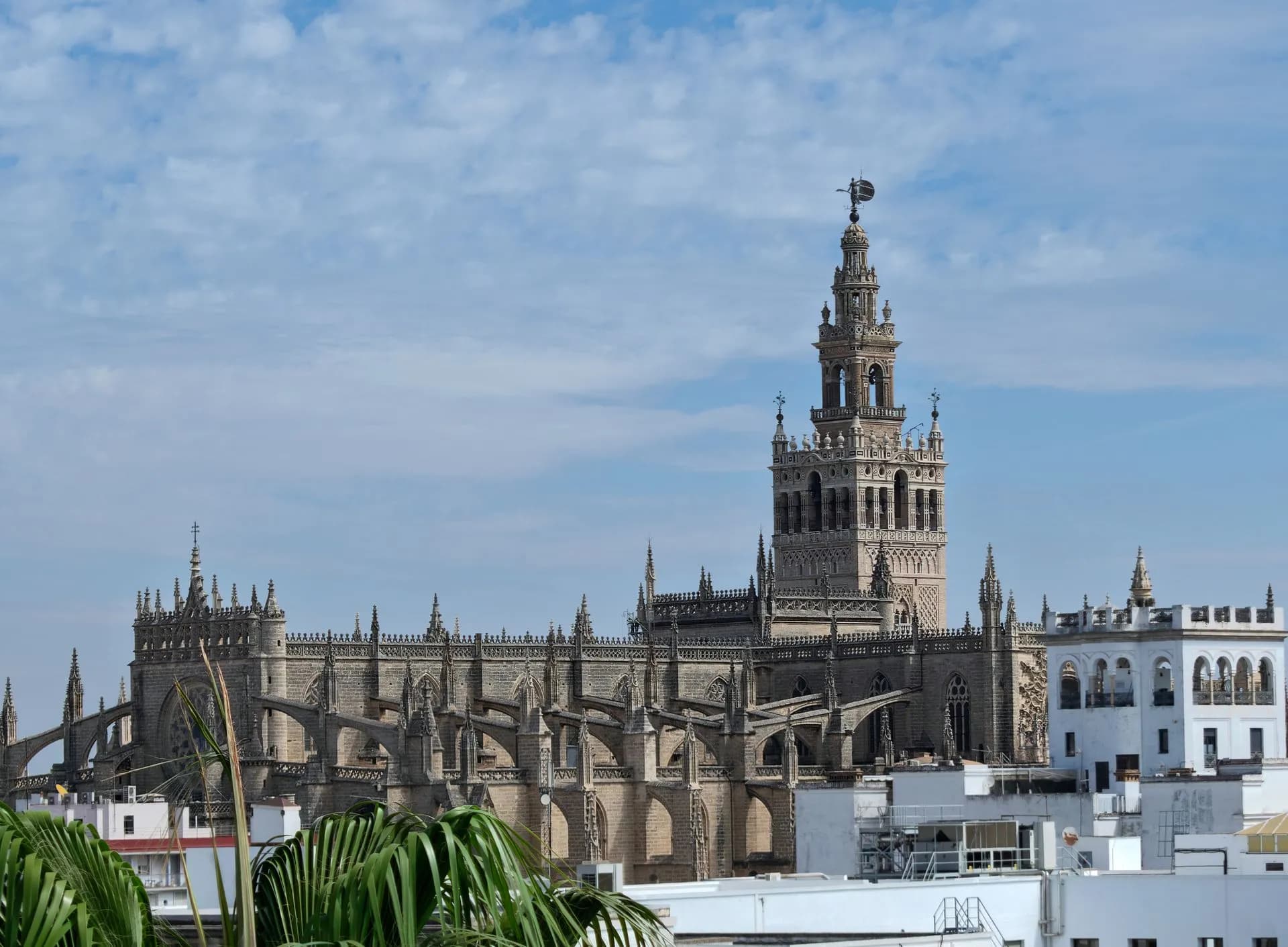
- Seville Cathedral and the Giralda: The largest Gothic cathedral in the world, holding the tomb of Christopher Columbus and a vast gilded altarpiece, with the climb up the Giralda bell tower (35 gentle ramps, not stairs) included in every ticket.
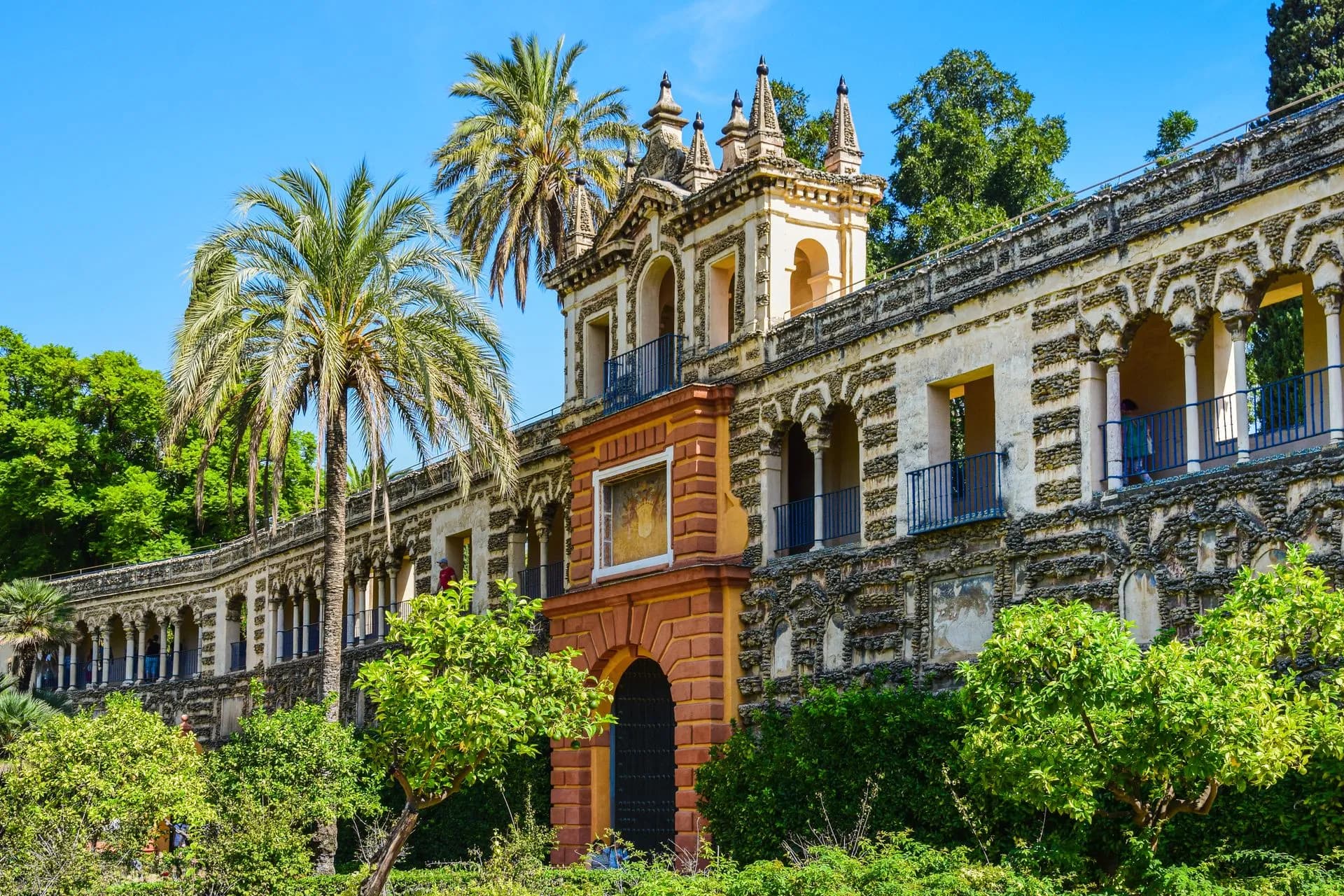
- The Royal Alcázar: A breathtaking Mudéjar royal palace of tiled courtyards and sunken gardens, famous in its own right and to fans of its filming as Dorne. Tickets are limited, so a skip-the-line or VIP early-access option is worth it.
- The Plaza de Toros de la Maestranza: One of the oldest and most beautiful bullrings in Spain, seen on a one-hour guided tour of the arena, the royal box, and the museum, whatever your view on the tradition itself.
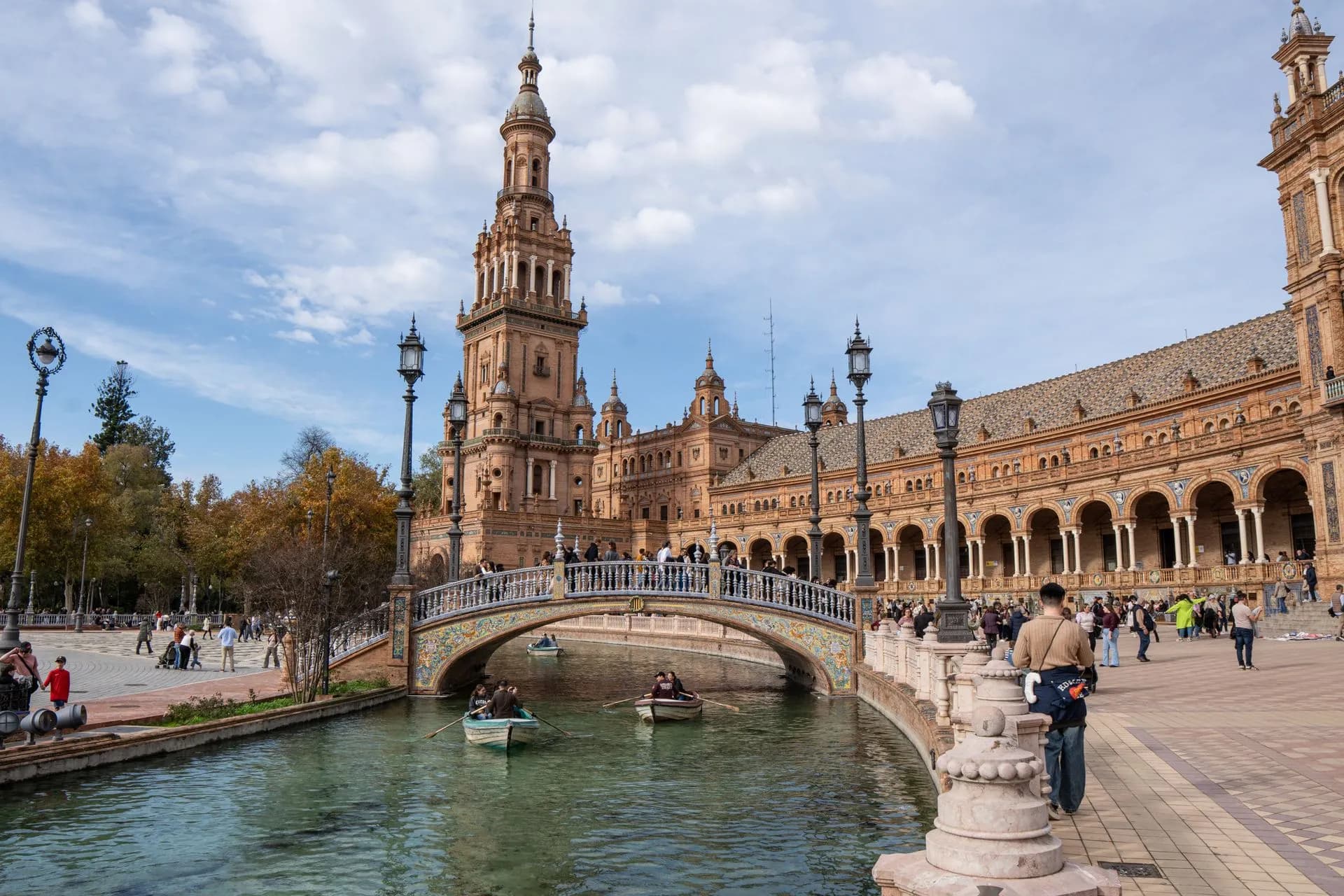
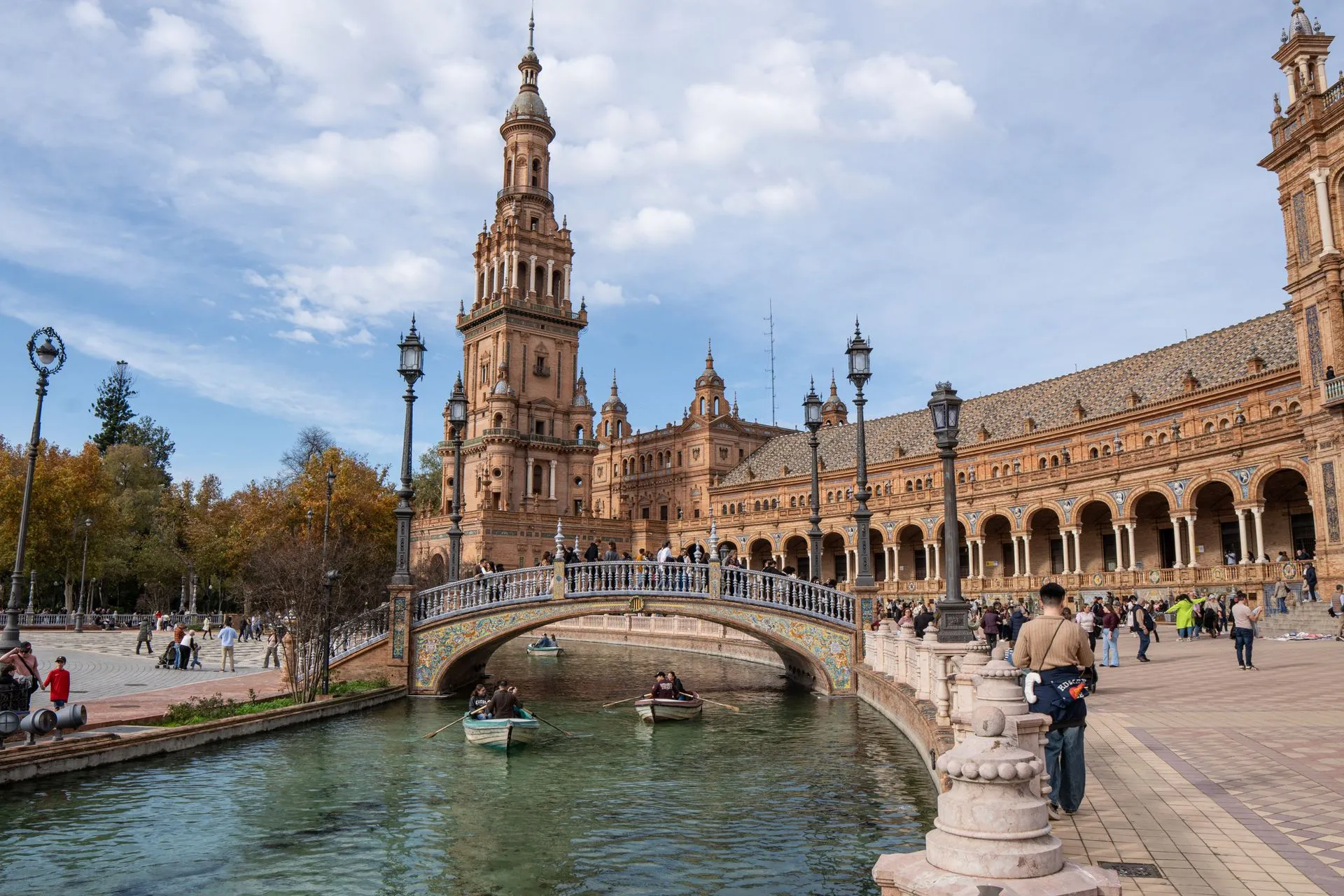
The fourth must-see, Plaza de España, is free to wander and one of the city's most photogenic spots, which is why it anchors most Seville photoshoots.
Best Ways to See the City
The old town is best on foot, but Seville is spread along the river and you can cover far more ground, and reach the parks and Triana, on wheels or water. These are the main options, each with its own guide. For a first visit we'd lean toward a walking tour for the dense center plus one wheeled or water option for the rest.
- Walking tours: The best way to learn the dense historic center, from small-group highlights walks to Santa Cruz, Jewish Quarter, and after-dark legend walks.
- Hop-on hop-off bus: The open-top double-decker loops the wider city and the river, handy for covering distance and resting your feet.
- Bike tours: Seville is flat and bike-friendly, with city and e-bike rides and sunset options along the riverside paths.
- Segway tours: A low-effort glide around the flat historic loop, from one-hour panoramic spins to longer monumental routes.
- Eco tuk tuk tours: A private, electric three-wheeler that loops the landmarks, the river, and Triana in an hour or two, day or sunset.
- Guadalquivir river cruises: A relaxed sightseeing cruise past the Torre del Oro and the Maestranza, with tapas, dinner, and private options.
Food, Tapas, and Wine
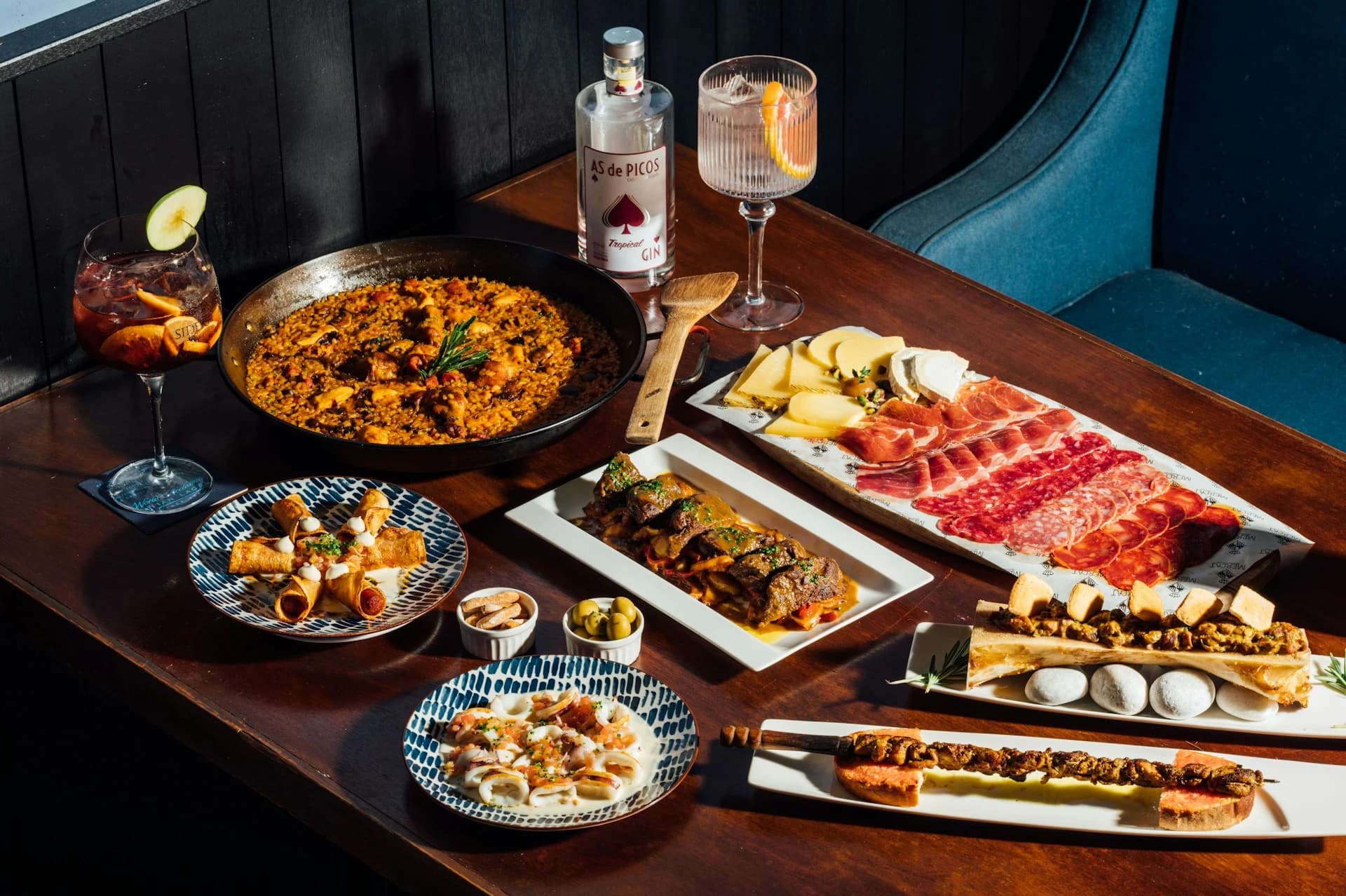
Seville is a tapas city, and eating and drinking well is one of the best things to do here, and we think a guided tapas tour on night one pays off, since it sorts out where to eat for the rest of the trip. From guided crawls to hands-on classes and rooftop tastings, these are the ways in.
- Tapas and food tours: A local guide leads you through the best bars in Santa Cruz, La Alfalfa, and Triana, the simplest way to eat like a Sevillano on your first night.
- Cooking classes: Hands-on paella and tapas classes, Triana Market tours, and rooftop showcooking, ending in a sit-down meal you made.
- Wine and sangria tastings: Rooftop sangria flights, Andalusian sherry tastings, and a sommelier-led wine experience, mostly central and walk-in.
Flamenco and Nightlife
Seville is the cradle of flamenco, and an evening show is as essential as the monuments. After dark, the city's bars come alive too.
- Flamenco shows: Intimate tablaos in Triana and Barrio de Santa Cruz, from a show with a drink to a full Andalusian dinner and performance.
- Pub crawls: A guided night through the city's nightlife district, with a free shot at each bar and skip-the-line club entry, an easy way to meet people.
Experiences and Day Trips
Beyond the headline sights, a couple of extras make a stay more memorable, and Seville's position in the heart of Andalusia makes it a perfect base for day trips.
- A professional photoshoot: A local photographer captures you at Plaza de España and María Luisa Park, popular for couples, families, and proposals.
- Day trips from Seville: Córdoba and its Mezquita, Ronda and the white villages, Granada's Alhambra, Cádiz, Jerez, and even Gibraltar or Tangier, all reachable in a day.
Seville Itineraries: One and Two Days
One Day in Seville
With a single day, start early and stay central. Book the Royal Alcázar for opening time, since its timed tickets sell out and the morning is the coolest, calmest slot. Spend two to three hours in the palace and gardens, then walk five minutes to the Cathedral and climb the Giralda before lunch. Eat tapas in Santa Cruz, spend the hot afternoon in the shade of María Luisa Park and Plaza de España, and finish with an evening flamenco show in Triana. If you would rather not plan it yourself, a morning walking tour of Santa Cruz is the easiest way to get your bearings before the crowds build.
Two Days in Seville
With a second day, slow down. Spend the morning across the river in Triana, browsing the ceramic shops and the market, then take a Guadalquivir cruise or a bike tour along the water. Climb Las Setas for the rooftop view, and use the afternoon for a tapas food tour or a sherry and sangria tasting. If you have the appetite for more, swap day two for a day trip to Córdoba, about ninety minutes away by train, to see the Mezquita.
Free Things to Do in Seville
Seville rewards aimless wandering, and some of its best moments cost nothing. These are the free things we send people to first.
- Plaza de España: The grand semicircle of tiled alcoves and bridges is free to walk; go early or at golden hour for the best light.
- María Luisa Park: The shaded park beside the plaza, full of fountains, palms, and tiled benches, is a free escape from the midday heat.
- Get lost in Santa Cruz and Triana: The old Jewish quarter's whitewashed lanes and Triana's ceramic workshops across the river cost nothing to explore on foot.
- The riverside at sunset: Walk the Guadalquivir along Calle Betis in Triana for the classic view back at the Torre del Oro and the skyline.
- Las Setas plaza: The square under the giant wooden Metropol Parasol is free to stand in, though the rooftop walkway charges a small fee.
- The free cathedral visit: The Cathedral runs a limited free cultural visit on Sunday afternoons, which must be booked online in advance.
If you would rather have a guide, the city's free walking tours run on tips and are a low-cost way to see the center on day one. For a full day-by-day plan across one, two, or three days, see our Seville itinerary.
Things to Do in Seville with Kids
Seville is an easy city with children: flat, walkable, and full of open space. These are the activities that tend to land best with families.
- Row a boat at Plaza de España: Renting a little rowing boat on the plaza's canal is cheap, short, and a hit with younger kids.
- An eco tuk tuk or the bus: A private tuk tuk tour or the open-top hop-on hop-off bus covers the sights without tired little legs.
- A river cruise: A one-hour Guadalquivir cruise is a calm, low-cost way to rest and sightsee at once.
- Climb the Giralda: The Giralda is ramps rather than stairs, so even small children can make it to the top.
- Bikes in the park: Seville is flat and bike-friendly, and a family bike tour around María Luisa Park is easy going.
For a full day out, the Isla Mágica theme park and the Aquarium of Seville (Acuario de Sevilla) are both popular hot-afternoon options.
Getting To and Around Seville
The historic center is compact and walkable, so most of these experiences are a short stroll apart. The main logistics question is getting in from the airport.
- Airport transfers: Compare the private door-to-door transfer, the shared EA airport bus, and the flat-rate taxi from Seville Airport to the center.
- Around town: Walk the old town, then use the hop-on hop-off bus, a bike, or an eco tuk tuk to reach the parks, the river, and Triana more quickly.
Best Time to Visit Seville
Seville's climate shapes when to go and what each season is like. From what we've seen, autumn is the underrated pick: mild weather, lower prices, and far thinner crowds than spring.
Not sure when to go? Our best time to visit Seville guide compares the whole year on weather, crowds, prices, and festivals. Or jump straight to a month-by-month guide: Seville in January, Seville in February, Seville in March, Seville in April, Seville in May, Seville in June, Seville in July, Seville in August, Seville in September, Seville in October, Seville in November, Seville in December.
The prime season for warm, sunny days, the famous Semana Santa processions, and the April Feria. It is the busiest and most expensive time, so book monuments, flamenco, and hotels well ahead.
Very hot, often 35 to 40°C, so plan monuments and the Giralda climb for early morning or late afternoon, and lean on shaded parks, river cruises, and evening activities.
A quieter, cheaper sweet spot with mild weather, ideal for walking and day trips. From what we've seen, the underrated season to visit.
Cool but mild by European standards, with the thinnest crowds and lowest prices, and the Cathedral and Alcázar at their calmest.
What to Do in Seville When It's Hot
Seville is one of the hottest cities in Europe, and summer afternoons regularly hit 35 to 40°C. The trick locals use is simple: front-load the day, hide from the midday sun, and come back out in the evening.
- Do the monuments early: Book the first slots for the Alcázar and the Cathedral and Giralda; the stone interiors stay cool and the Giralda climb is far more pleasant before mid-morning.
- Take to the water or the shade at midday: A breezy river cruise, the shaded paths of María Luisa Park, and the Alcázar gardens are the coolest places to be when the sun is high.
- Move indoors for the afternoon: A cooking class, an air-conditioned wine or sherry tasting, or a long lunch are the local answer to the worst of the heat.
- Save the active stuff for the evening: Seville comes alive after sunset, so leave walking tours, tapas, and flamenco for the cooler night.
- Practical basics: Carry water, wear a hat, and plan a midday break; the city all but shuts for a siesta in the early afternoon for good reason.
From Our Experience
We have found the Cathedral and the Royal Alcázar are the only things you really must book ahead in Seville; almost everything else you can arrange a day or two out, or even on the day.
Tips for Planning Your Trip
- Book the big two monuments ahead: The Royal Alcázar and the Cathedral and Giralda sell timed tickets that fill up, especially in spring, so reserve before you arrive. The Alcázar caps daily tickets, so it tends to sell out earlier than the cathedral.
- Do monuments early, experiences later: See the sights and climb the Giralda in the cooler morning, then save tapas tours, tastings, and flamenco for the evening.
- Two to three days covers the highlights: One day for the monuments and old town, one for food, flamenco, and the river, and a third for a day trip if you have time.
- Stay central and walk: Basing yourself near the Cathedral or in Santa Cruz puts most things within a 20-minute walk, so you rarely need transport beyond the airport transfer.
- Mind the spring festivals: Semana Santa and the Feria de Abril are spectacular but pack the city, so expect higher prices and book everything early around those dates.
How We Put This Guide Together
The Spain Travel Insider team built this guide from our in-depth, individually researched guides to each experience in Seville, every one based on real operator data, current pricing, and verified traveler reviews. For each category we lead with the option that offers the best mix of quality, value, and traveler feedback, then link to the full guide so you can compare every operator, ticket, and tour yourself. We focus on what genuinely makes a trip to Seville better, from the unmissable monuments to the food, flamenco, and day trips that round out a stay.
Frequently Asked Questions
What are the top things to do in Seville?+
The essentials are the Cathedral and Giralda, the Royal Alcázar palace, Plaza de España, and an evening flamenco show, plus a tapas tour and a Guadalquivir river cruise. Two to three days covers the highlights comfortably.
How many days do you need in Seville?+
Two to three days is ideal. One day for the monuments and the old town, one for food, flamenco, and the river, and an optional third for a day trip to Córdoba, Ronda, or Cádiz. You can see the headline sights in a busy two-day visit.
What is Seville best known for?+
Seville is famous as the home of flamenco, the world's largest Gothic cathedral with the Giralda tower, the Mudéjar Royal Alcázar palace, tapas, sherry and sangria, and grand spring festivals in Semana Santa and the April Feria.
What is the best time to visit Seville?+
Spring and autumn are best for mild weather and sightseeing. Spring brings the Semana Santa processions and the April Feria but the biggest crowds, autumn is a quieter sweet spot, summer is very hot, and winter is mild with the fewest crowds.
Is Seville worth visiting?+
Yes. Seville combines world-class monuments, the birthplace of flamenco, excellent and affordable food and wine, a compact walkable center, and easy day trips across Andalusia, which makes it one of the most rewarding cities to visit in Spain.
Do you need to book Seville attractions in advance?+
For the Royal Alcázar and the Cathedral and Giralda, yes; both use timed tickets that sell out on busy days, especially in spring. Flamenco shows and popular tours also fill up, so booking ahead is wise, while tapas bars and Plaza de España need no ticket.
What can you do in Seville in summer when it is hot?+
Do the monuments and the Giralda climb early, spend the midday in the shade of María Luisa Park or the Alcázar gardens or on a breezy river cruise, move indoors for a cooking class or wine tasting in the afternoon, and save walking tours, tapas, and flamenco for the cooler evening.
What are some free things to do in Seville?+
Plaza de España, María Luisa Park, and wandering Santa Cruz and Triana are all free, as is the riverside walk along Calle Betis and the plaza under Las Setas. The Cathedral also runs a limited free cultural visit on Sunday afternoons, booked online in advance.
Is Seville good for kids?+
Yes. It is flat and walkable, with easy wins like rowing boats at Plaza de España, the ramped Giralda climb, a river cruise, and the open-top bus or an eco tuk tuk for tired legs. The Isla Mágica theme park and the Aquarium of Seville fill a full day.
What is a good one-day itinerary for Seville?+
Start at the Royal Alcázar at opening time, then the Cathedral and Giralda before lunch, tapas in Santa Cruz, the afternoon in María Luisa Park and Plaza de España, and an evening flamenco show in Triana. Book the Alcázar and Cathedral ahead.
Affiliate note: Some links on this page are affiliate links. If you book through them, we may earn a small commission at no additional cost to you.