Summer is the most misunderstood time to visit Seville: it brings the year's lowest prices, near-empty monuments, the longest evenings, and a vibrant night culture, alongside genuine 36°C-plus heat and a wave of August closures. Here is what to actually expect, and how to plan around it.
What You Should Know
- Summer (June through August) is Seville's hottest season by a wide margin. Daytime highs sit at 33°C in June and 36°C in July and August, with heatwaves that push past 40°C. The heat is the single biggest factor shaping a summer trip, and it reorganizes your whole day around mornings and evenings.
- The reward is a city you largely have to yourself, at the year's lowest prices. Crowds thin out in July and August, the monuments are quiet in the early morning, and central four-star hotels drop to around €85 to €100 a night, well below the spring festival peak.
- Summer is when Seville's night culture comes alive. The Noches en los Jardines del Real Alcázar concert season runs from late June into September, rooftop bars and riverside terraces fill after sunset, and dinner often does not start until 22:00. The long evenings, with sunset near 21:30, are the heart of a summer trip.
- August brings a wave of local closures. Many family-run bars and restaurants shut for two to four weeks around the August 15 holiday, so it pays to check that your chosen spots are open. June avoids this entirely and keeps the whole city running.
Seville in Summer: The Honest Picture
⭐ Best summer month for Seville: June. The most bearable of the three, with the whole city open, the Alcázar night concerts beginning, and the year's longest evenings, all before the August holiday closures arrive.
Yes, Seville is worth visiting in summer, but for the right traveler and with the right plan. If you come for low prices, quiet monuments, long evenings, and a lively night scene, summer delivers all of it. If your priority is sightseeing comfortably all day in mild weather, it is the wrong season: the heat is a real, day-shaping factor, not a minor footnote.
Visiting Seville in summer means accepting one trade and making the most of it. The same months that bring 36°C afternoons and the occasional 40°C heatwave also bring the lowest hotel prices of the year, the thinnest crowds, and a city that shifts its rhythm to the cool of the evening. The heat is not a reason to stay away; it is a reason to plan differently. Travelers who fight the heat have a hard time, and travelers who flow with it, sightseeing at dawn, resting at midday, and living in the long evening, often have one of their best Spanish trips.
In our view, summer is genuinely underrated for Seville if you go in with accurate expectations rather than the postcard version. The morning monuments are nearly empty, the night culture is at its peak, and your money goes further than at any other time of year. What matters is understanding what the heat actually does to a day and where the August closures fall, so neither catches you off guard. This guide covers all of it: what the heat is really like, the night culture that makes summer special, the complete list of summer activities and when to do them, the August shutdown, and whether Seville is actually cheaper in summer.
The Real Reason to Visit in Summer: Seville After Dark
The strongest argument for visiting Seville in summer is not the daytime; it is what happens after the sun drops. From late June the city reorganizes itself around the evening, and the result is a night culture that no other season matches. The long days mean sunset lands near 21:30, and the streets that were empty and shimmering at 15:00 fill with people from 21:00 onward.
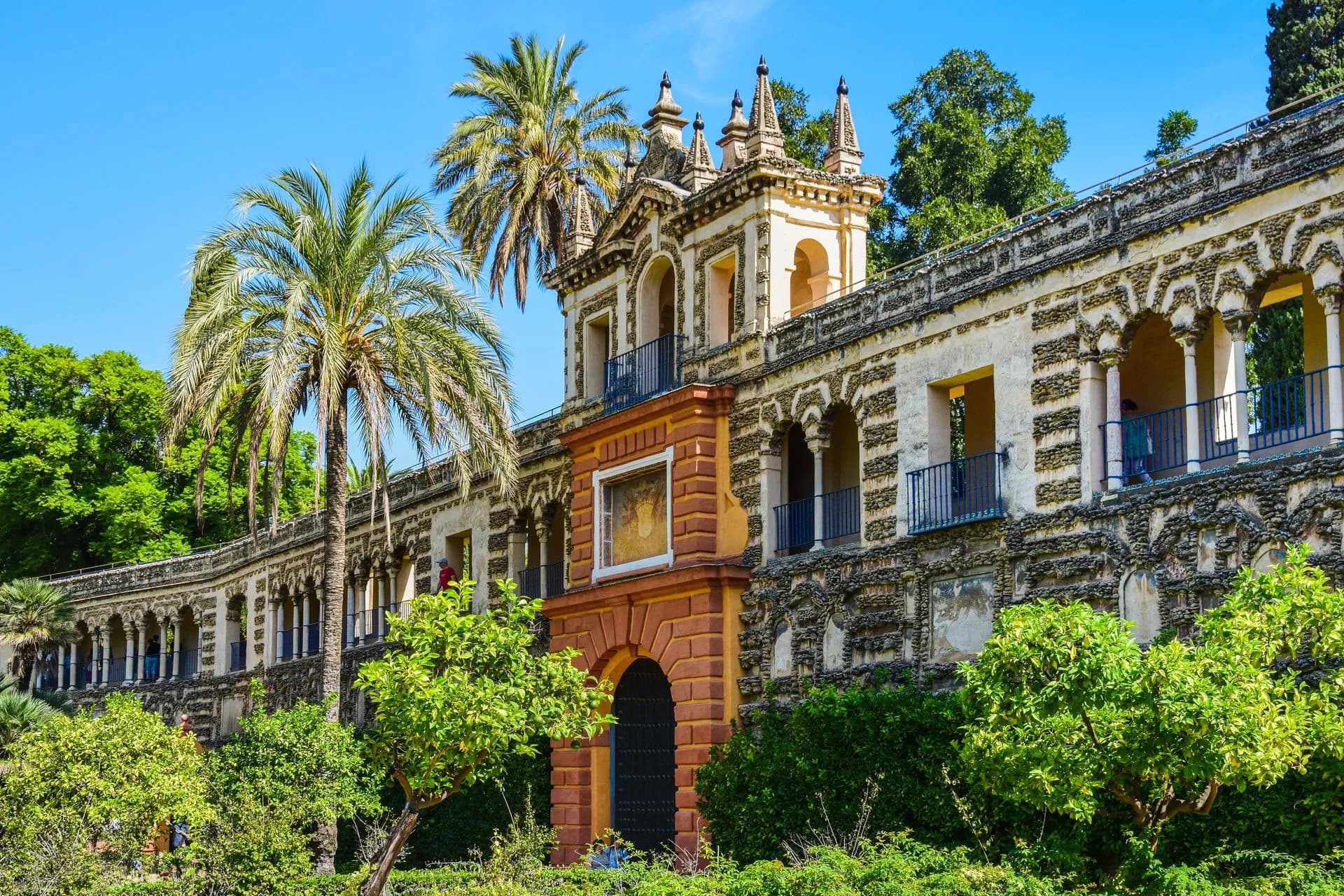
The centerpiece is the Noches en los Jardines del Real Alcázar, a summer concert season held in the floodlit gardens of the Royal Alcázar from late June into early September. Most nights feature classical, flamenco, or early-music performances around 22:00, with the palace gardens as the setting. It is the one experience that is genuinely exclusive to summer, and it is worth building an evening around. Tickets are separate from daytime Alcázar entry and sell out on popular nights.
Beyond the concerts, the summer evening is built for the things Seville does best. A flamenco tablao is an air-conditioned, late-starting pleasure that fits a hot night perfectly. The rooftop bars, many atop hotels around the cathedral, open into the warm dusk with views over the Giralda. A golden-hour cruise on the Guadalquivir catches the breeze on the water as the city turns amber. And the tapas tradition simply shifts later: locals eat from 22:00, and the terraces of Triana and the Alameda stay busy past midnight.
What changes most in summer is the clock, not the content. The same monuments, flamenco, river, and food are all here, but the city pushes them into the cooler hours. Travelers who embrace the late rhythm, a long siesta or pool break in the afternoon and a night that runs until 1am, get the version of Seville that locals actually live in summer.
Seville Weather in Summer: June, July, and August
The Heat
Seville is one of the hottest cities in Europe in summer, and the numbers back it up. June averages a daytime high near 33°C, while July and August both sit around 36°C, with regular spells over 40°C during a heatwave. The heat is dry rather than humid, which is more bearable than a tropical climate but still intense in direct sun. The critical detail is the daily curve: mornings until about 11:00 are genuinely pleasant, the 14:00 to 19:00 window is punishing, and the evening cools slowly into a warm, comfortable night. Any outdoor activity works far better before 11:00 or after 20:00.
Rain and Sun
Summer in Seville is reliably dry and sunny. June sees only the occasional shower, and July and August are effectively rainless, with day after day of clear skies. This makes planning easy in one sense, there is almost no chance of a washout, but it also means there is no relief from the sun. Shade, water, and a hat are not optional. The lack of cloud cover is exactly why the midday hours feel so extreme.
The Daily Rhythm
The single most useful thing to understand about summer is that the city runs on a heat-adapted schedule, and your day should too. Locals are out early, retreat indoors or to the pool through the worst of the afternoon, and re-emerge in the evening. The afternoon siesta is not a cliché here; it is a practical response to 38°C at 16:00. Plan your sightseeing for the morning, your indoor activities or rest for midday, and your dining and atmosphere for the long evening, and the heat becomes manageable rather than miserable.
| Month | Avg High | Heat Risk | Crowds | Prices | Best For |
|---|---|---|---|---|---|
| June | 33°C | Moderate | Medium | Moderate | Best overall summer month; long evenings, all open |
| July | 36°C | High | Low | Low | Value and night culture; whole city running |
| August | 36°C | High (40°C+ spells) | Lowest | Lowest | Cheapest; empty monuments; some closures |
If your dates are flexible, June is the sweet spot: the most bearable heat of the three, the longest evenings, the concert season starting, and the whole city open. July is the value-and-atmosphere pick with everything still running. August is the cheapest and emptiest, but the one to plan most carefully around because of the heat peaks and the holiday closures. For the tail of the season, our Seville in September guide covers the easing heat and the city reopening, and our autumn in Seville guide picks up as the season turns.
June, July & August at a Glance
The three summer months are not interchangeable. Here is how they compare on heat, crowds, and what each one is best for, in one quick view.
Surviving the Heat and the August Shutdown
Two summer realities deserve a real plan rather than a hopeful shrug: the midday heat and the August closures. Neither is a reason to skip a trip, but both reshape how you spend your time, and knowing them in advance is the difference between a great summer trip and an exhausting one.
Beating the Midday Heat
The heat is most intense from roughly 14:00 to 19:00, and the smart move is to simply not fight it. Do your monuments and walking in the cool of the morning, ideally at opening time when the Alcázar gardens and the Giralda climb are bearable. Use the afternoon for indoor, air-conditioned pursuits: a long lunch, a museum, a cooking class, a siesta, or a hotel pool. Carry water everywhere, stick to the shaded sides of the narrow streets in Santa Cruz, and save the wide-open spaces like Plaza de España for early morning or evening. What separates a good summer trip from a draining one is not avoiding the heat entirely; it is respecting the afternoon and front-loading the day.
The Cooler Escape: The Coast and Beyond
When the city heat becomes too much, the classic Sevillano move is to head for the coast. The beaches of Cádiz are about an hour and three-quarters away by train or car, and the Atlantic sea breeze makes them several degrees cooler than the inland furnace. A day on the coast is the natural midsummer reset. Note the opposite is true for the inland day trips: Córdoba is even hotter than Seville in July and August, so save the Mezquita for an early start or a cooler month.
The August Closures
Most people don't realize how much of local Seville closes in August. Many family-run bars, tapas spots, and small restaurants shut for two to four weeks around the August 15 holiday (the Asunción), when their owners head to the coast like everyone else. The major monuments, big restaurants, hotels, and tourist-facing businesses stay open throughout, so a trip is in no way derailed, but a specific bar you read about may have its shutters down. The practical fix is simple: check that a place is open before you build an evening around it, and keep your plans flexible. June and July are largely free of this; it is concentrated in the second half of August.
One bright spot in the August calendar is the Velá de Santa Ana in late July, Triana's lively neighborhood festival on the riverbank, with music, food stalls, and river games. It is a genuine slice of local summer that most visitors miss entirely.
The Best Things to Do in Seville This Summer
The full Seville activity calendar is open in summer; what changes is the best time of day to do each one. Here is how the most popular experiences stack up against the heat.
| Activity | Summer Rating | Best Time of Day | Notes |
|---|---|---|---|
| Alcázar Night Concerts | 10/10 | Evening | Summer-exclusive; gardens at ~22:00, late June–Sept |
| Flamenco Show | 9/10 | Evening | Indoor, air-conditioned; perfect summer night out |
| Royal Alcázar | 9/10 | Early morning | Book the opening slot; gardens brutal by midday |
| Guadalquivir River Cruise | 8/10 | Evening | Golden-hour breeze on the water |
| Tapas & Food Tour | 8/10 | Evening | After sunset, when terraces and vendors come alive |
| Cathedral & Giralda | 8/10 | Early morning | The Giralda ramp climb is hot; go at opening |
| Cooking Class | 8/10 | Midday | Mostly indoors; ideal midday heat escape |
| Plaza de España | 7/10 | Early morning / evening | Wide and exposed; avoid the midday sun |
| Walking Tour | 6/10 | Early morning only | Book the earliest departure; little shade midday |
| Bike Tour | 6/10 | Early morning only | Exposed; finish before the heat builds |
| Cádiz Coast Day Trip | 8/10 | Full day | Sea breeze; the classic heat escape |
| Córdoba Day Trip | 5/10 | Early morning only | Even hotter than Seville; the Mezquita at opening |
Summer-Exclusive
- Noches en los Jardines del Real Alcázar: nightly concerts in the floodlit Alcázar gardens from late June into early September. No other experience is this specific to summer; the gardens after dark, with music, are the season's signature. Tickets are separate from daytime entry and sell out on popular nights.
- Velá de Santa Ana: Triana's riverside neighborhood festival in late July, with music, food stalls, and traditional river games. A local summer tradition that rarely appears on visitor itineraries.
- Rooftop and terrace season: hotel rooftops around the cathedral and the open-air terraces of the Alameda and Triana are at their peak in the warm summer nights, many with a view of the Giralda.
Year-Round Activities That Work Well in Summer
- Flamenco Shows: the intimate tablaos of Santa Cruz and Triana run year-round and are an air-conditioned, late-evening pleasure. We'd give this the edge over almost any daytime activity in summer: it puts the entertainment squarely in the cool, comfortable part of the day.
- Royal Alcázar: the Mudejar palace and its famous gardens are the city's must-see, but the gardens are unforgiving by midday. Book the opening slot, when the courtyards are cool and the crowds are thin, and you get the best of it before the heat lands.
- Guadalquivir River Cruise: a one-hour sightseeing cruise past the Torre del Oro and the Triana bridge. We'd lean toward the golden-hour departure in summer; the breeze on the open water is the coolest you will feel outdoors, and the light on the riverbank is at its best.
- Cooking Classes: hands-on Andalusian cooking starting with a market visit. Mostly indoors and air-conditioned, it is one of the better ways to spend a hot afternoon productively rather than fighting the streets.
- Tapas and Food Tours: evening tapas crawls are at their best in summer, when the temperature finally drops, the terraces fill, and the city's eating culture moves outdoors. From what we've seen, a 21:00 or later start is far more enjoyable than an afternoon one.
- Walking Tours: the old-town walking tours still run, but summer is the season to book the earliest morning departure available. The shaded lanes of Santa Cruz are manageable at 09:00 and brutal at 13:00.
More Summer Experiences Worth Knowing About
These experiences do not have their own dedicated guides on this site yet, but they are well established and especially good in summer.
Isla Mágica and Agua Mágica
Isla Mágica is a theme park on the old Expo '92 grounds north of the center, themed around the Age of Discovery, with rides, shows, and a 16th-century Seville setting. Attached to it is Agua Mágica, a water park that is one of the best ways in the city to cool off on a scorching day. Together they make a strong family outing in summer, and the water park in particular turns the heat from an enemy into the whole point of the day.
Setas de Sevilla at Sunset
The Setas (the Metropol Parasol, locally "Las Setas") is a vast undulating wooden structure in the Plaza de la Encarnación, with a walkway across its roof. Going up for sunset is a summer highlight: the rooftop catches any breeze, the temperature is finally dropping, and the view over the city and the cathedral turns golden. The evening time slot is far more pleasant than the midday one.
Open-Air Cinema and Pools
Summer brings open-air cinema screenings to several venues around the city, a quintessentially Spanish way to spend a warm night. Many hotels also open rooftop or courtyard pools to non-guests for a fee, which is worth knowing if your own accommodation lacks one; a midday pool hour is the most effective antidote to the heat there is.
Early-Morning Plaza de España
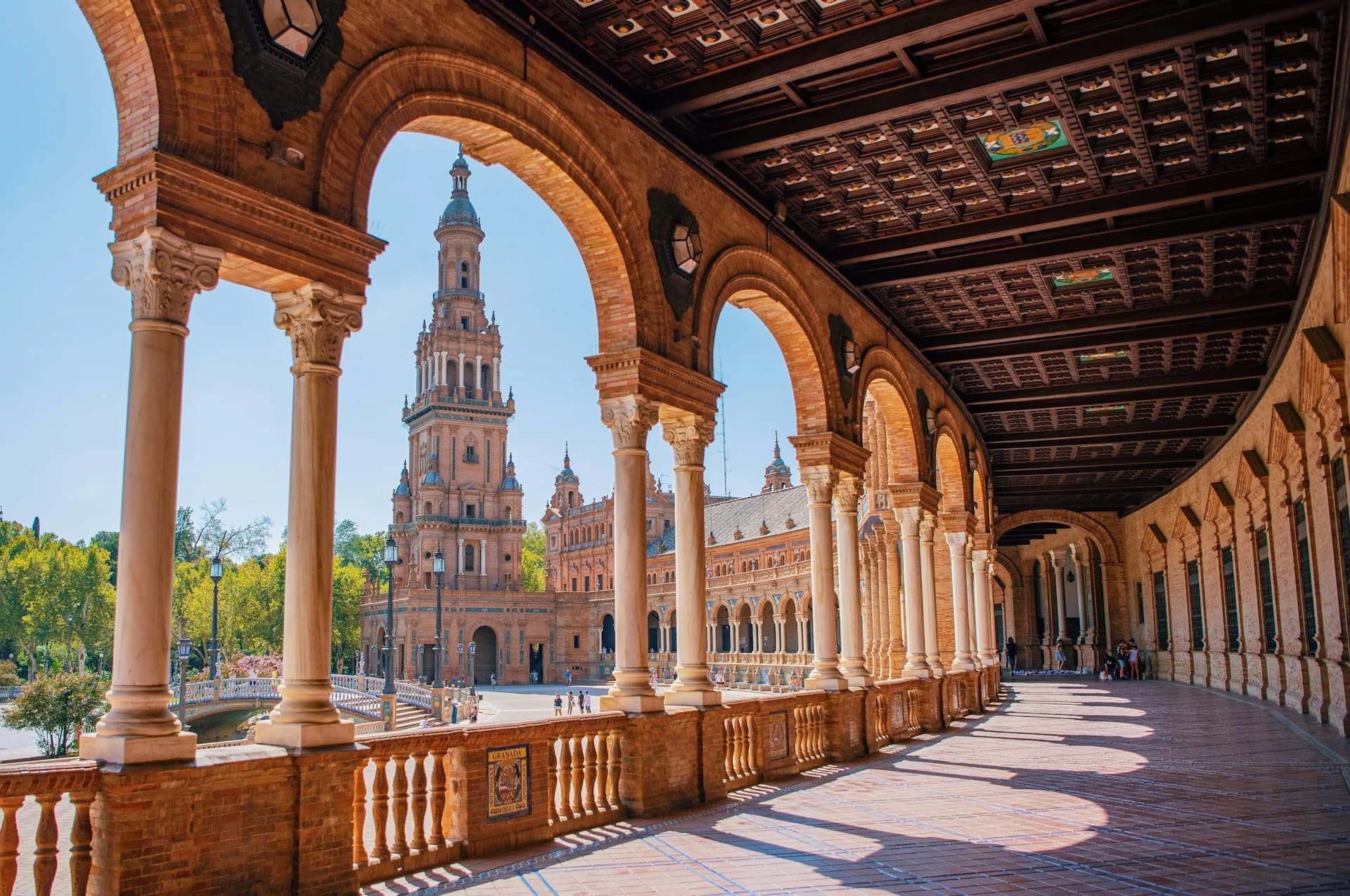
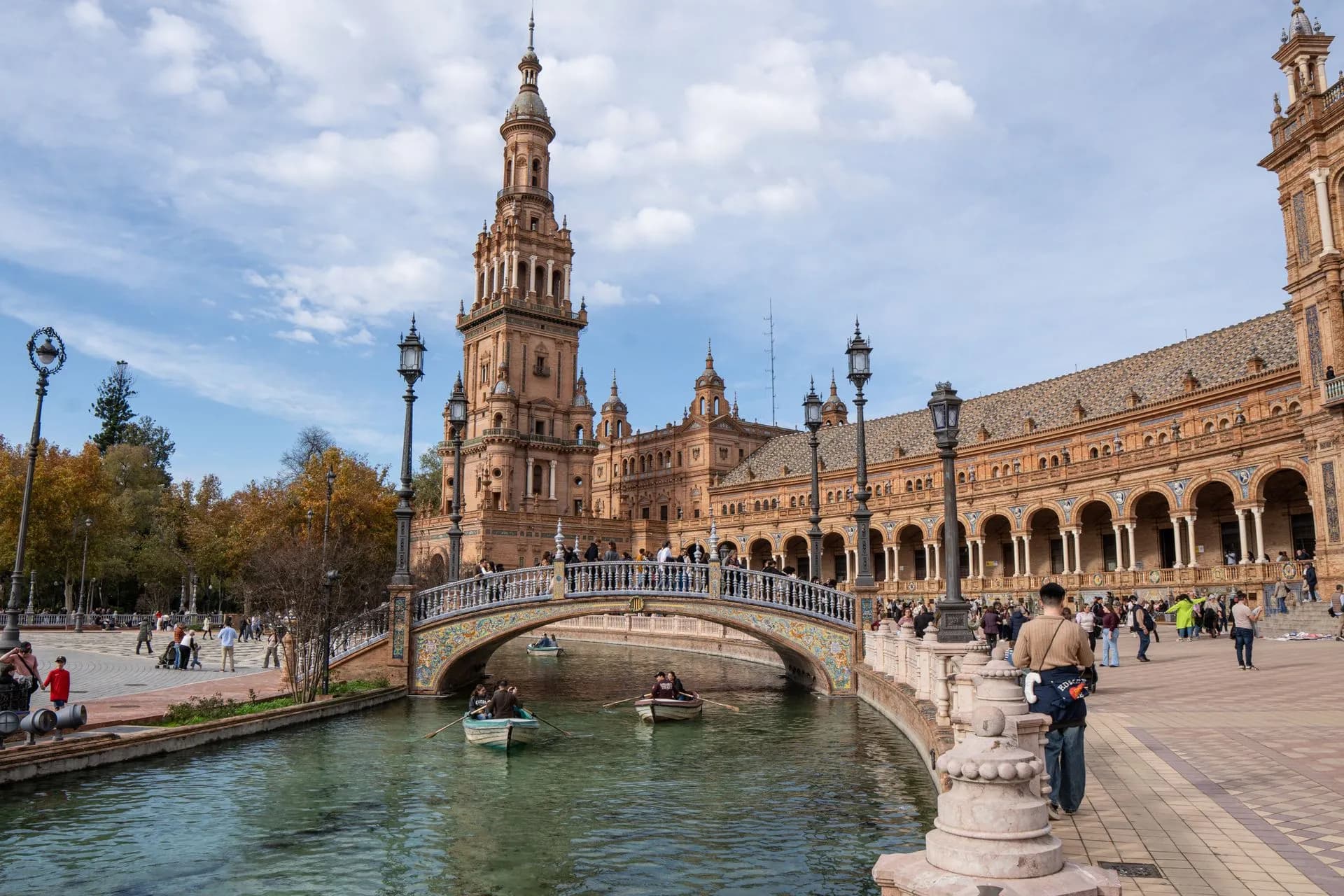
Plaza de España is Seville's most photographed spot, and in summer the time to see it is at or near sunrise. The vast tiled square is fully exposed with almost no shade, so by midday it is uncomfortable and crowded. Arrive by 09:00 and you get soft morning light, cool air, and the place nearly to yourself before the day heats up.
Is Seville Cheaper in Summer? Prices, Crowds, and Hotel Deals
Summer is the best-value season in Seville, and the savings are real. The famous spring festivals, Semana Santa and the Feria de Abril, push prices to their yearly peak; summer is the opposite end of that curve. As the heat builds, demand falls, and hotel rates fall with it. A central four-star room that costs a premium in April can drop to around €85 to €100 a night in July and August.
How Summer Prices Move
June still carries some late-spring pricing, with rooms higher than the deep-summer low, but it buys you the most comfortable heat and the fullest open city. July sees prices drop further as the heat sets in. August is the cheapest month of the entire year for Seville hotels, the flip side of being the hottest and the quietest. If your only priority is cost, August wins outright; if you want the best balance of price and experience, July is the value sweet spot with the whole city still running.
Crowds in Summer
Crowds thin noticeably in July and August. The Spanish domestic tourists who fill the city in spring are at the coast, and international numbers drop in the heat. The result is short or nonexistent queues at monuments in the early morning, easy restaurant tables, and a generally unhurried feel. The exception is the night scene, which is busy precisely because everyone shifts their day to the evening. Booking the headline monuments and the Alcázar night concerts ahead is still worth it, but the daytime crush of spring is gone.
Where the Savings Are
The savings in summer come mostly from accommodation, not from activities. Tour and ticket prices for flamenco, the Alcázar, river cruises, and cooking classes stay broadly consistent year-round. What changes is the hotel bill, which is where a summer trip genuinely costs less than the same trip in spring or autumn. For travelers on a budget, that makes the heat a worthwhile trade. For the full-year view of how summer compares, see our guide to the best time to visit Seville.
From Our Experience
What we consistently see is that travelers who plan their summer days backwards, fixing the evening first and the afternoon as rest, come away loving Seville, while those who try to sightsee through the afternoon on a spring schedule come away saying it was too hot. The heat is not the problem; an unadjusted itinerary is. Build the day around the cool hours and the same city feels completely different.
Tips for Visiting Seville in Summer
- Front-load every day: do your monuments, gardens, and walking before 11:00, ideally at opening time. The Alcázar, the Cathedral and Giralda, and Plaza de España are all far better in the cool morning than the midday furnace.
- Surrender the afternoon to shade and air conditioning: the 14:00 to 19:00 window is for a long lunch, a museum, a cooking class, a pool, or a siesta. Trying to push through it on foot is the fastest way to ruin a summer day.
- Live in the evening: book your flamenco, river cruise, rooftop, and dinner for after 20:00, when the city cools and comes alive. Reserve a night for the Alcázar concert season if your dates fall between late June and early September.
- Carry water and respect the sun: the dry heat dehydrates you faster than you expect, and there is almost no cloud cover. Water, a hat, sunscreen, and the shaded side of the street are not optional in July and August.
- Plan around the August closures: many family-run bars and restaurants shut for two to four weeks around August 15, so confirm a specific spot is open before building an evening around it. June and most of July are unaffected.
- Use the coast as a reset: when the city heat peaks, the beaches of Cádiz are under two hours away and several degrees cooler. Save the inland day trips like Córdoba for an early start, since they run even hotter than Seville.
- Want the month-by-month detail? Our Seville in June guide covers the most comfortable summer month with the concert season opening. Our Seville in July guide covers peak heat with the whole city running. Our Seville in August guide covers the cheapest, quietest month and how to handle the closures.
- Visiting Seville outside of summer? Our Seville in May guide covers the warm, long-evening sweet spot before the heat, and our Seville in October guide covers the mild autumn ideal for all-day sightseeing. For a full-year comparison, see the best time to visit Seville.
How We Put This Guide Together
The Spain Travel Insider team built this guide from historical weather records, the city's summer event calendar, and the seasonal pricing and availability patterns we track across central four-star hotels and the destination's activities. Summer is the most condition-dependent season in Seville, where the difference between a comfortable morning and a 40°C afternoon is enormous, so we prioritized documented patterns and practical timing over best-case framing. This guide was reviewed and updated in June 2026. Summer conditions and event dates vary year to year, so we recommend confirming the Alcázar concert schedule and checking that specific venues are open in the weeks before your trip, particularly for an August visit. Every month and activity linked here has its own dedicated guide with detailed advice.
Frequently Asked Questions
Is Seville too hot to visit in summer?+
Seville is genuinely hot in summer, with July and August highs around 36°C and heatwaves past 40°C, but it is very visitable with the right plan. The key is to adopt the local rhythm: sightsee in the cool of the morning, rest indoors or by a pool through the 14:00 to 19:00 peak, and enjoy the long, comfortable evening. Travelers who fight the afternoon heat struggle; those who plan around it often have one of their best trips, with low prices and quiet monuments.
What is the best summer month to visit Seville?+
June is the best overall summer month. It has the most bearable heat of the three at around 33°C, the longest evenings of the year, the Alcázar night concert season beginning, and the whole city open before the August holiday closures. July is the value-and-atmosphere pick with everything still running, and August is the cheapest and quietest but the hottest and the one to plan most carefully around.
Is Seville cheaper in summer?+
Yes. Summer is the best-value season in Seville. As the heat rises, demand and hotel prices fall, and central four-star rooms can drop to around €85 to €100 a night, well below the Semana Santa and Feria de Abril peak. August is the cheapest month of the year. The savings come mainly from accommodation; tour and ticket prices stay broadly consistent year-round.
What is there to do in Seville in summer?+
Summer is built around mornings and evenings. Visit the Royal Alcázar, Cathedral, and Giralda at opening time, rest or do an indoor cooking class in the afternoon, and fill the evening with flamenco, a golden-hour river cruise, rooftop bars, and late tapas. The summer-exclusive highlight is the Noches en los Jardines del Real Alcázar concert season from late June into September. A day trip to the Cádiz coast is the classic escape from the city heat.
Does Seville shut down in August?+
Not entirely, but many family-run bars, tapas spots, and small restaurants close for two to four weeks around the August 15 holiday when owners head to the coast. The major monuments, hotels, big restaurants, and tourist-facing businesses stay open throughout, so a trip is not derailed, but a specific place you planned on may be closed. The simple fix is to confirm a venue is open before building an evening around it. June and most of July are unaffected.
What are the Alcázar night concerts in Seville?+
The Noches en los Jardines del Real Alcázar is a summer concert season held in the floodlit gardens of the Royal Alcázar from late June into early September. Most nights feature classical, flamenco, or early-music performances around 22:00 in the palace gardens. It is the one Seville experience that is exclusive to summer, and it is worth building an evening around. Tickets are separate from daytime Alcázar entry and sell out on popular nights.
How should I plan a day in Seville in summer?+
Plan the day backwards from the evening. Do your outdoor sightseeing and monuments before 11:00, ideally at opening time. Use the 14:00 to 19:00 heat peak for a long lunch, a museum, an air-conditioned cooking class, a pool, or a siesta. Then live in the evening from 20:00 onward with flamenco, the river, rooftops, and late tapas. Carry water, wear a hat, and stick to shaded streets during the day.
Is the Cádiz coast a good day trip from Seville in summer?+
Yes. The beaches of Cádiz are about an hour and three-quarters from Seville by train or car, and the Atlantic sea breeze makes them several degrees cooler than the inland city, which makes the coast the classic midsummer escape. Inland day trips are the opposite: Córdoba runs even hotter than Seville in July and August, so save the Mezquita for an early-morning start or a cooler month.
Affiliate note: Some links on this page are affiliate links. If you book through them, we may earn a small commission at no additional cost to you.